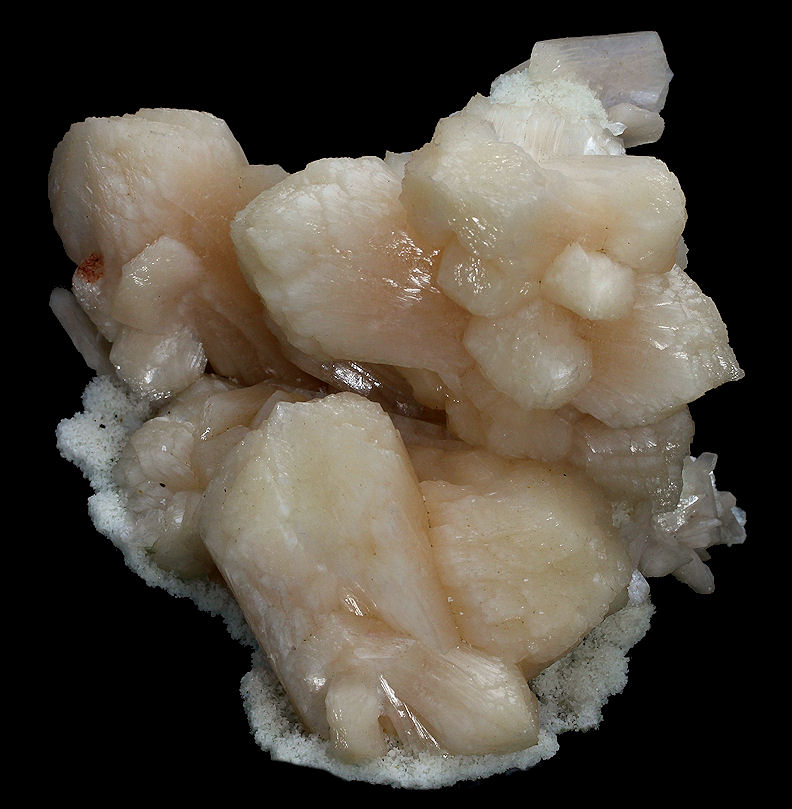
Check out the Ferberite with Siderite. Quartz, Arsenopyrite with Ilvaite, Smoky Quartz, Hedenbergite Included Quartz on Andradite, Spessartine Garnets with Smoky Quartz and Muscovite on Orthoclase, Beryl var. Aquamarine with Muscovite, Danburite, Rutile on Hematite on Quartz, Ruby Jack Sphalerite on Dolomite, Manganoan Calcite, Fluorite and Barite over Quartz, Apatite with Mica, Green Quartz (Prasem) on Andradite,. Manganite, Pyrite with Calcite, Prehnite with Albite & Laumonite and Galena mineral specimens on this page.
Hummingbird Minerals.com
Rocks and Minerals. Rock, Mineral and Crystal Specimens.
Mineral Dealer specializing in cabinet size fine minerals
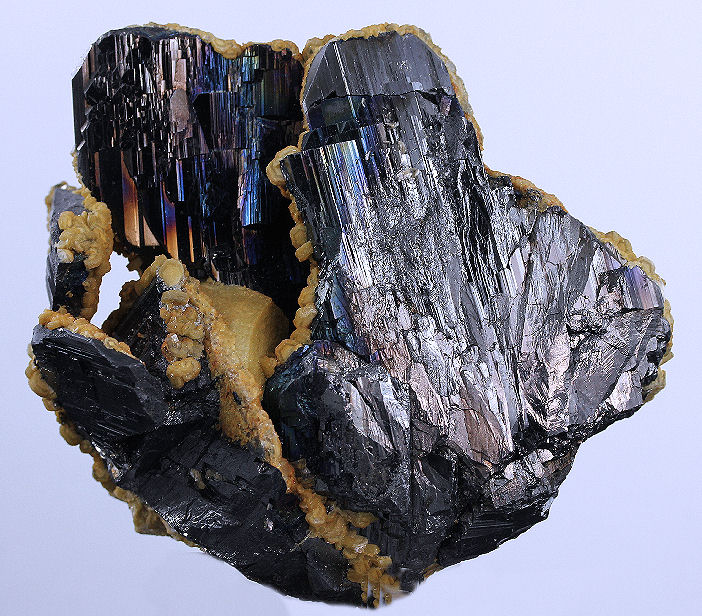
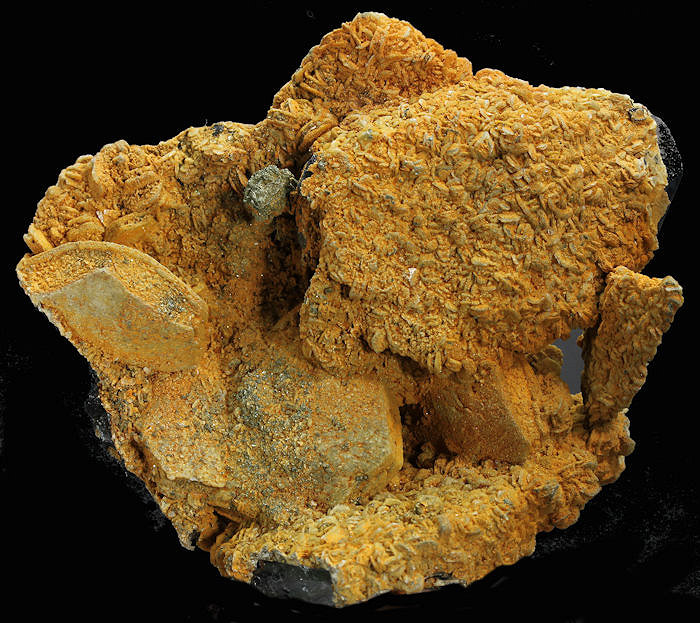
An outstanding Ferberite specimen with great luster and beautiful trim of Siderite. The back side is covered with Siderite.
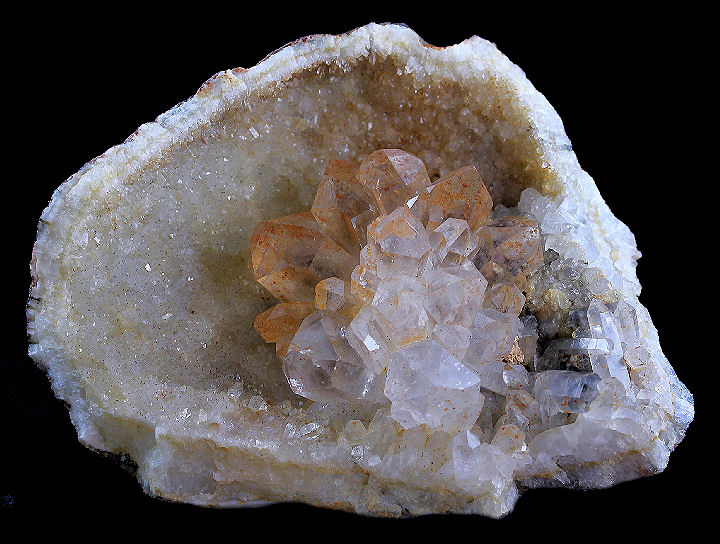
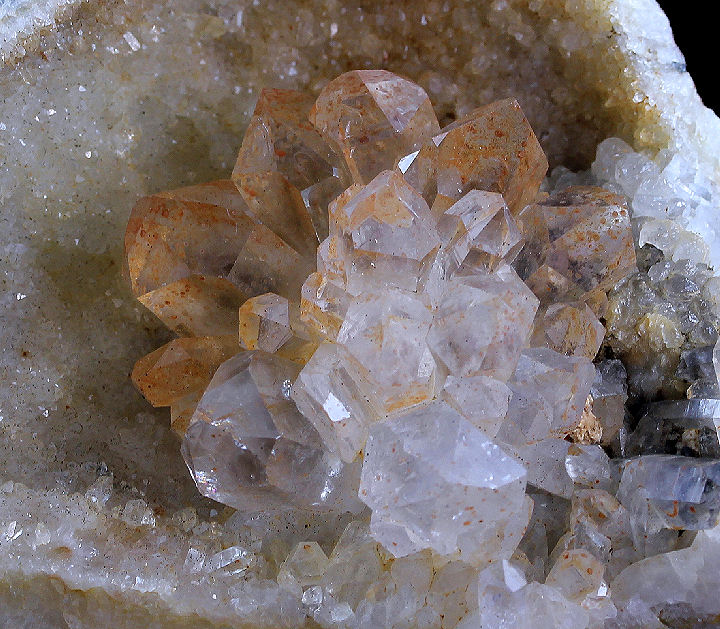
Very neat two-generation Quartz specimen, with the first generation being a geode with inner lining of fine Quartz. The second generation consists of larger gemmy Quartz crystals in a "rosette" confirguration about 3.8 cm across. Most of the rosette crystals are partially colored reddish-orange with specks of Hematite.
A lustrous cluster of complex Arsenopyrite crystals with Ilvaite from recent finds in Inner Mongolia.
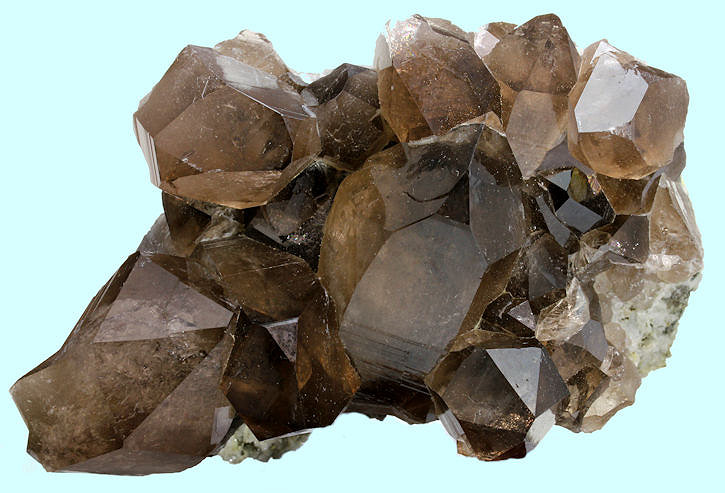
A fine example of the highly prized Smoky Quartz from the French Alps.
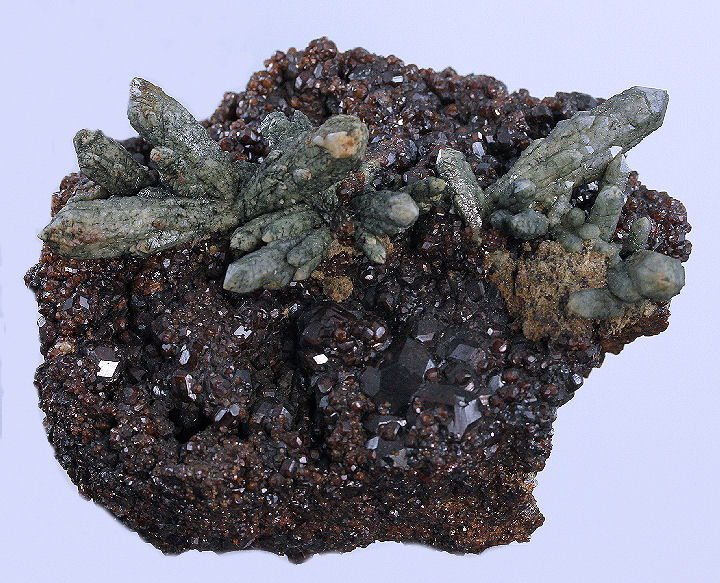
Very nice specimen of Green Quartz (Prasem) on Andradite.
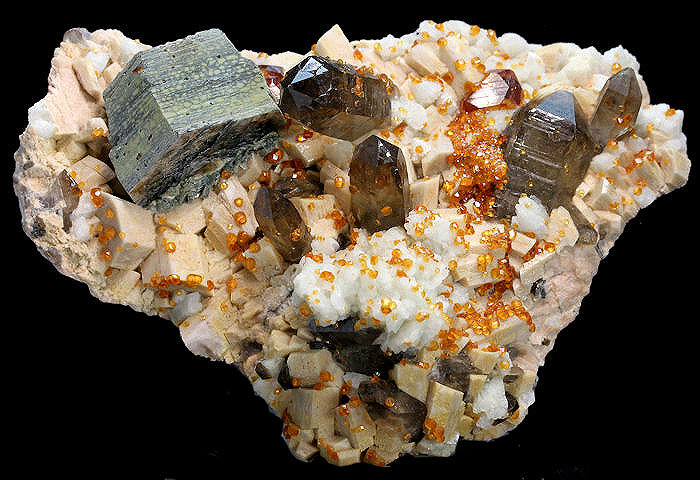
Aesthetic combination of gemmy Smoky Quartz with honey colored Spessartine Garnets and a book of Muscovite on Orthoclase matrix.
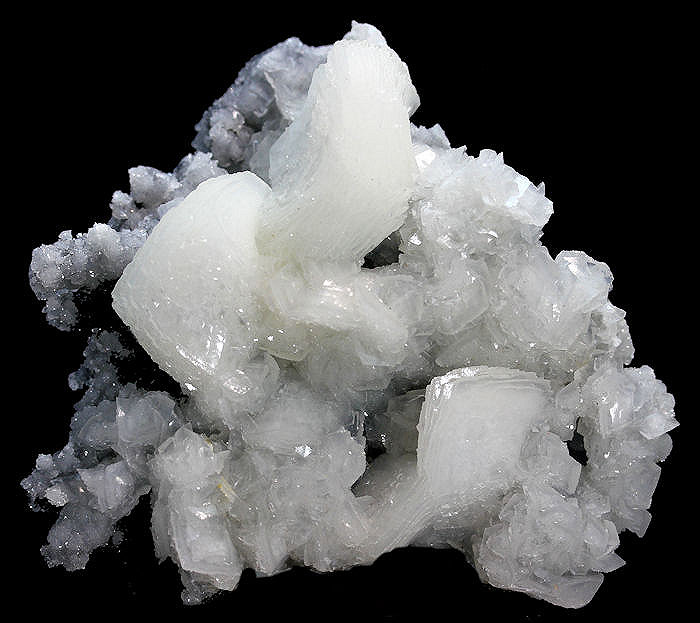
Beautiful display of curved, flattened, brilliant and transparent to translucent Calcite crystals. From the now closed Herja Mine in Romania.
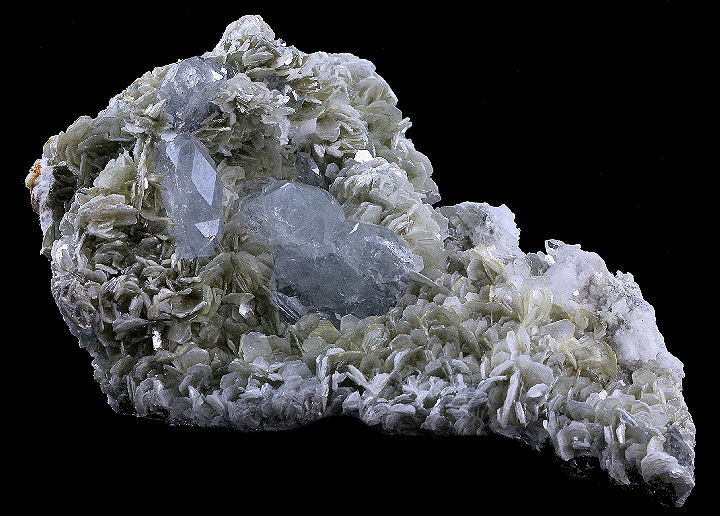
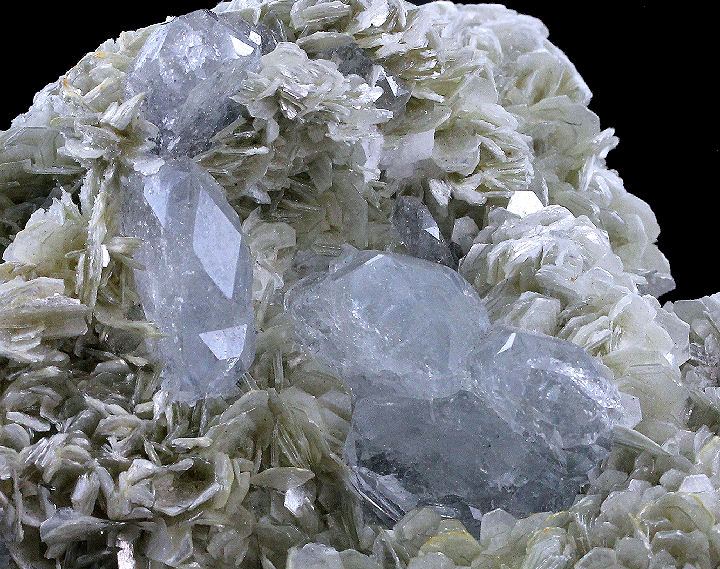
Gemmy to translucent Beryl crystals on Muscovite.
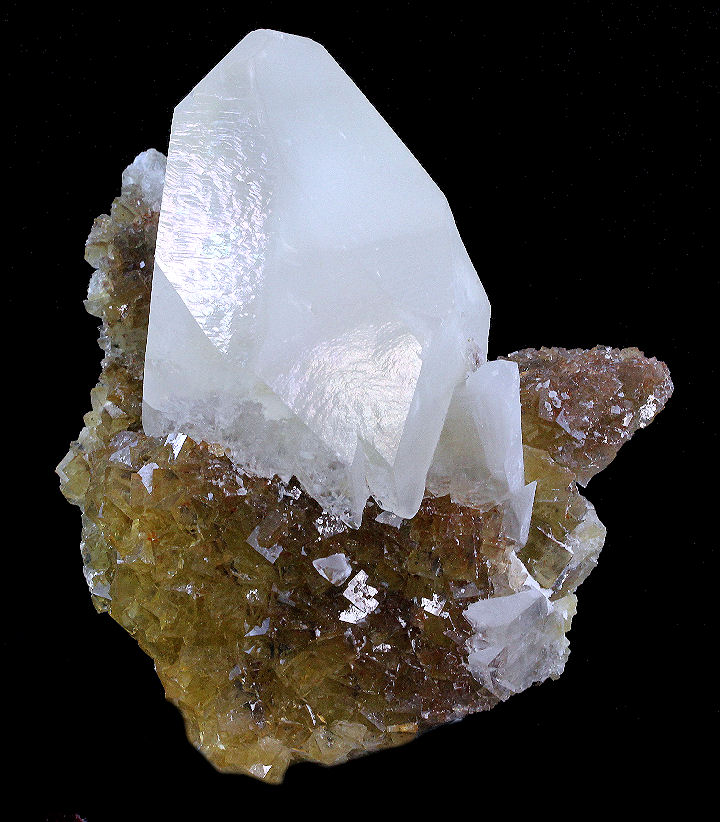
Doubly terminated, lustrous Calcite crystal on golden Fluorite from the famous Moscona Mine.
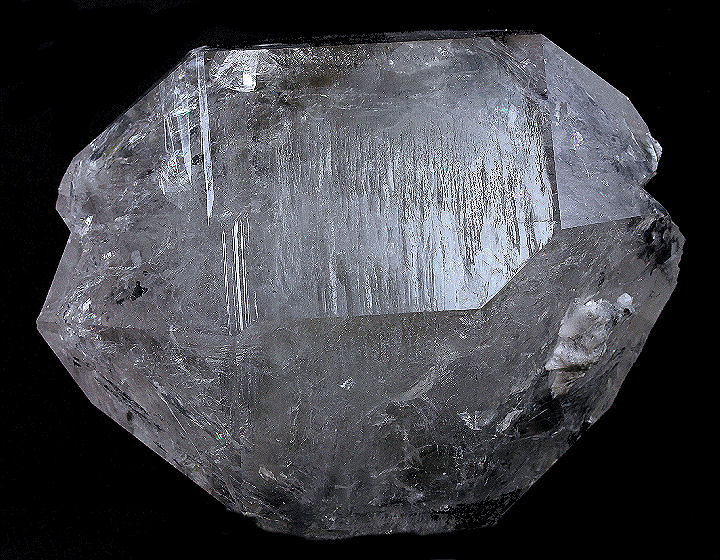
Large, double terminated, glassy Quartz crystal from the Emilio Mine - noted for fine Quartz.
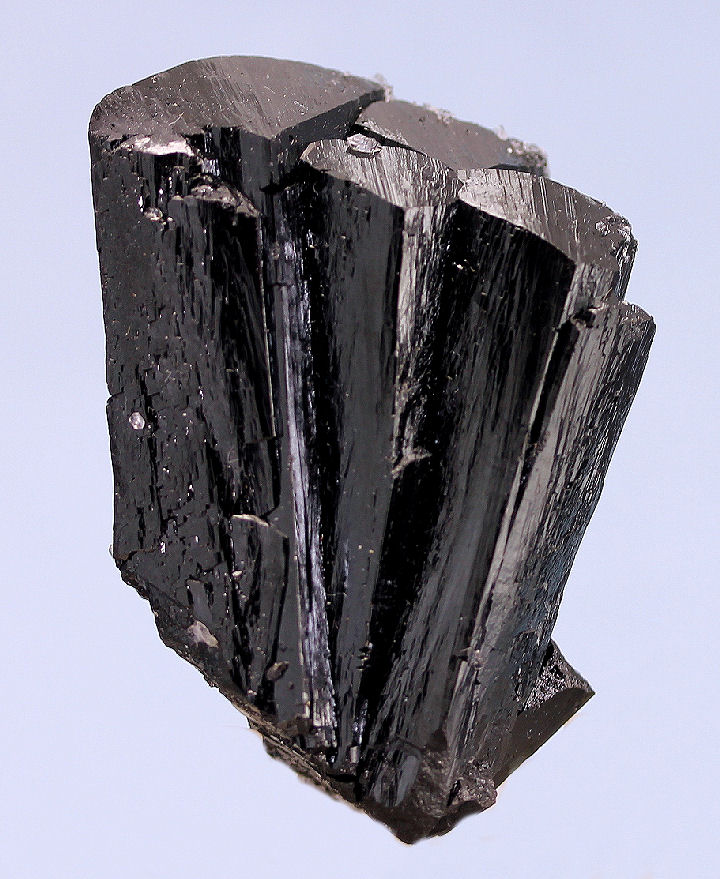
Fine specimen of jet black, lustrous Ilvaite crystals with minor Quartz.
1st. Sovietskiy Mine, Dalnegorsk, Promorskiy Kray, Russia
5.5 x 4 x 2.5 cm
Ex-Bob Holzer Collection
$400
#E5174
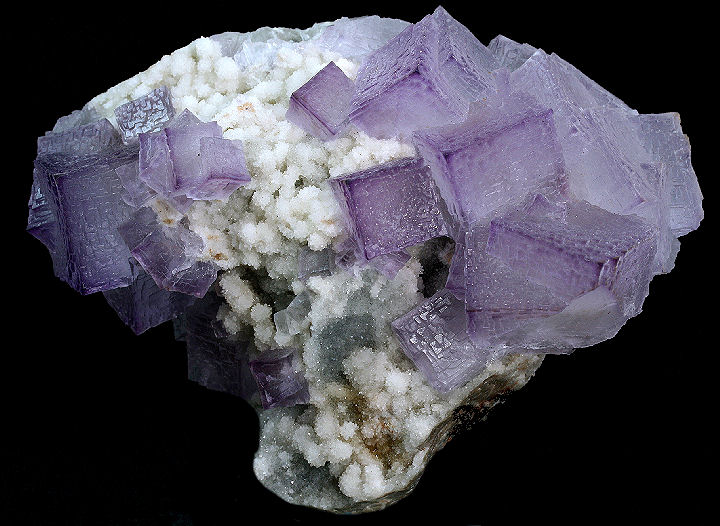
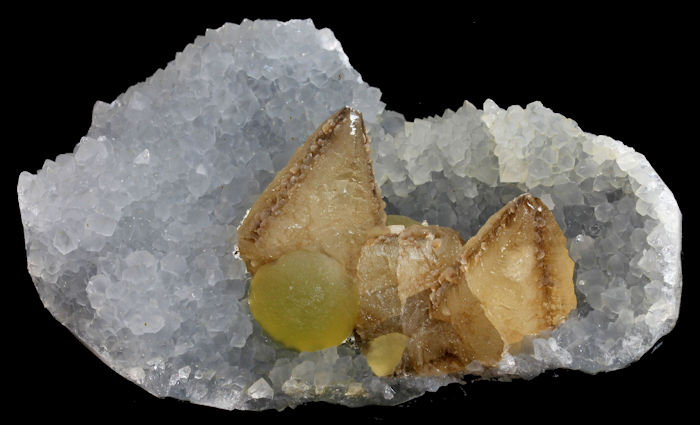
Lustrous and translucent, color-zoned Fluorite cubes to 2.5 cm aesthetically clustered on either side of the 3-dimensional matrix and, nicely separated by a field of sparkly starbursts of drusy Quartz crystals. The Fluorite crystals have intense, stepped-growth faces giving a flashy look and dark purple zoning. In very fine condition.
Bi-Colored Fluorite Crystals with Quartz
El Filo Vein, Santa Librada, Mapimi, Durango, Mexico
12.5 x 9.5 x 6.5 cm
Ex-Jason New Collection
$2,300
SOLD
#E5110
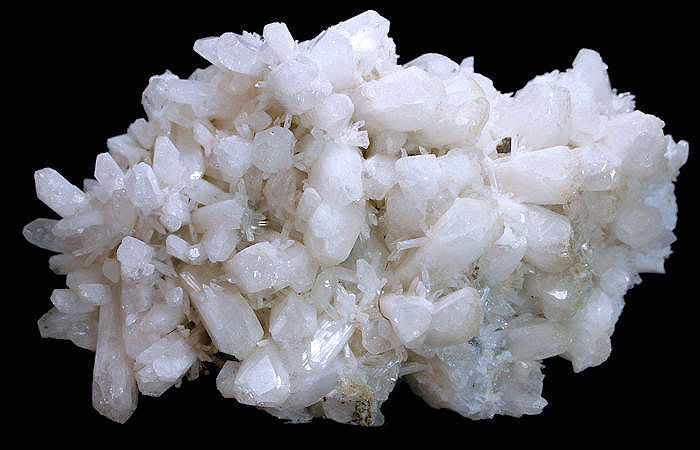
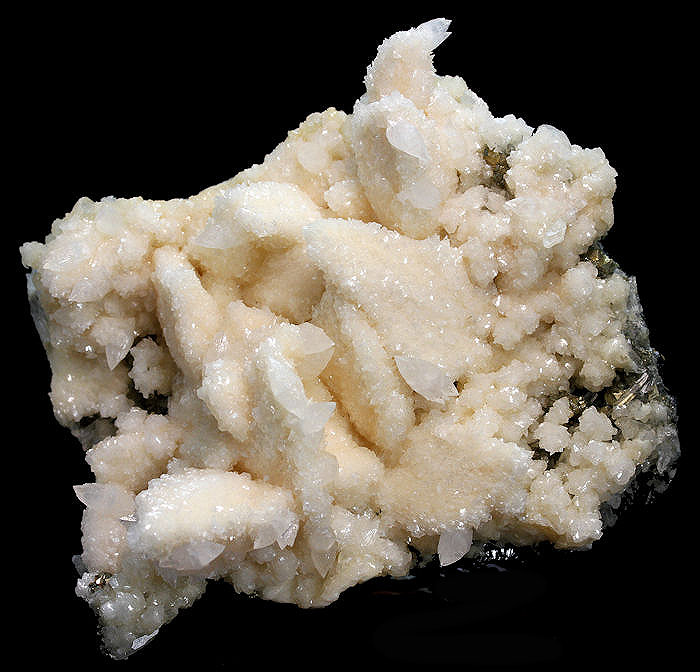
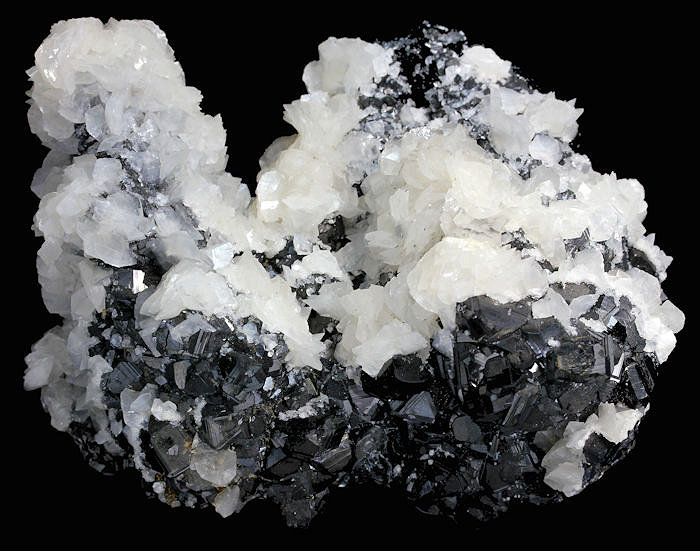
Aesthetic specimen of creamy white Calcite and translucent Quartz crystals with minor golden Pyrite and Sphalerite.
Calcite, Pyrite, Sphalerite & Quartz
Cavnic, Maramures, Romania
10 x 8 x 3.5 cm
$350
#E5145
#E5150
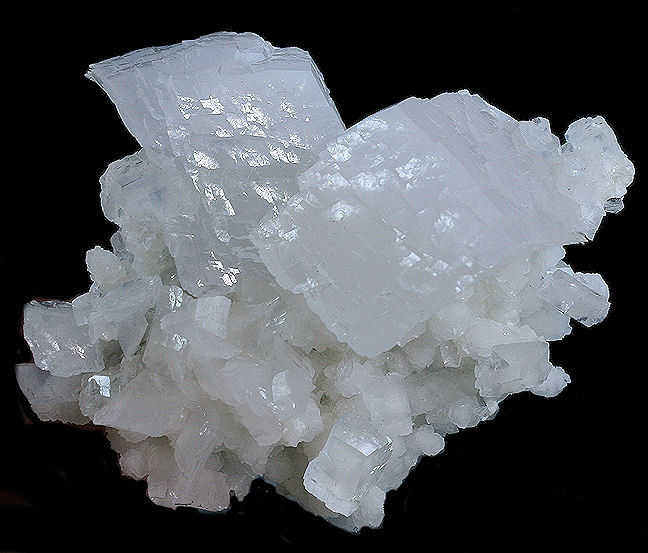
Beautiful plate of prismatic, well terminated Danburite crystals.
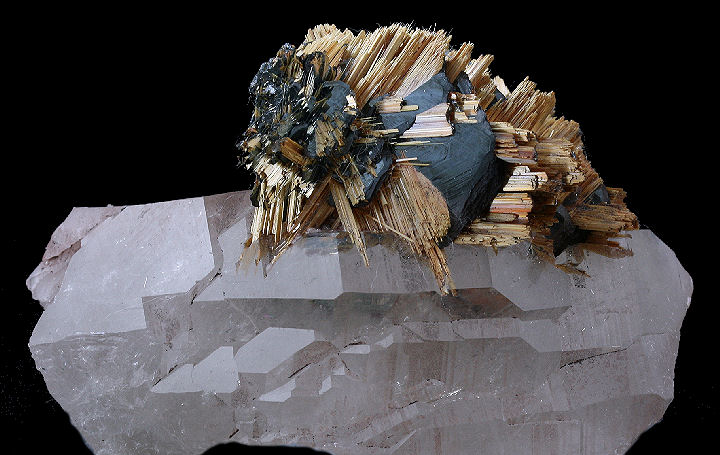
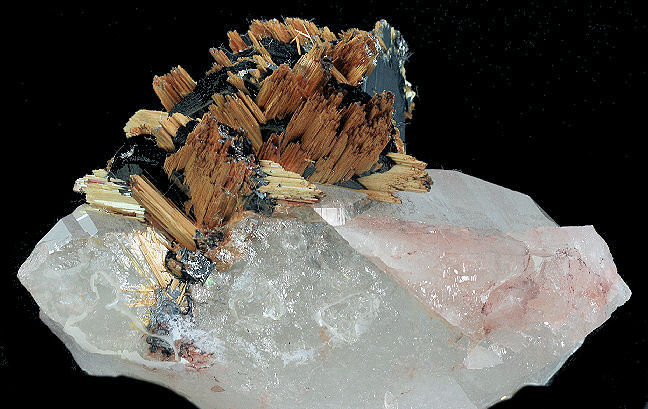
We rarely see nice specimens of Rutile on Hematite attached to a solid matrix - in this case a Quartz crystal.
#E5153
#E5157
Highly lustrous, rhombs of Manganoan Calcite on Quartz.
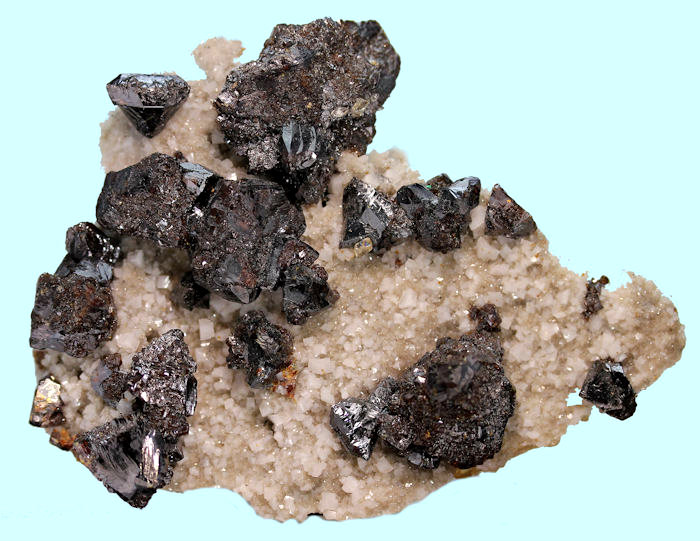
Super lustrous Ruby Jack Sphalerite crystals on nicely contrasting plate of Dolomite crystals from the famous Elmwood mine.
Danburite Crystal Cluster
Mina Aurora, Charcas, San Luis Potosi, Mexico
16.5 x 9.5 x 7 cm
$500
Rutile on Hematite on Quartz
Novo Horizonte, Bahia, Brazil
7 x 5 x 3.5 cm
$1,000
SOLD
Ruby Jack Sphalerite Crystals on Dolomite
Elmwood Mine, Carthage, Central Tennessee Ba-F-Pb-Zn District,
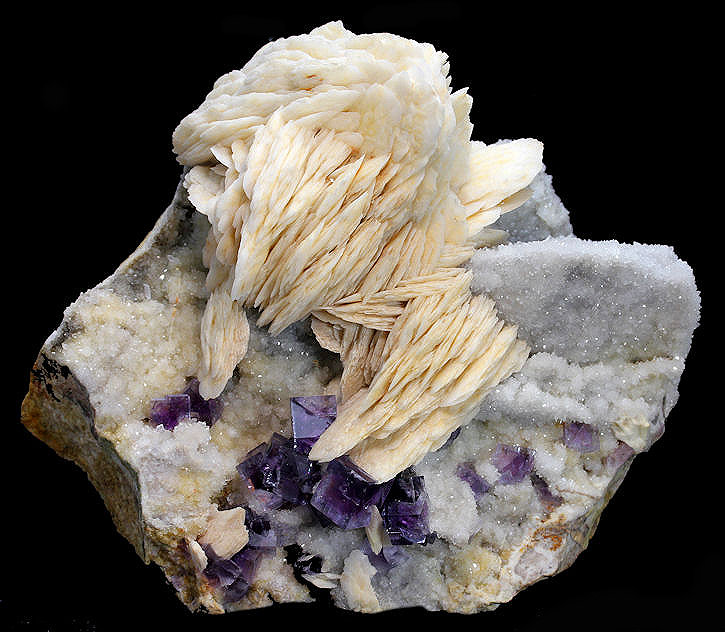
Stunning specimen of purple Fluorite crystals (1 x 1 cm) and white Barite blades over glistening Quartz druse on matrix. Wonderrful piece from the famous, defunct Berbes Mine.
#E5163
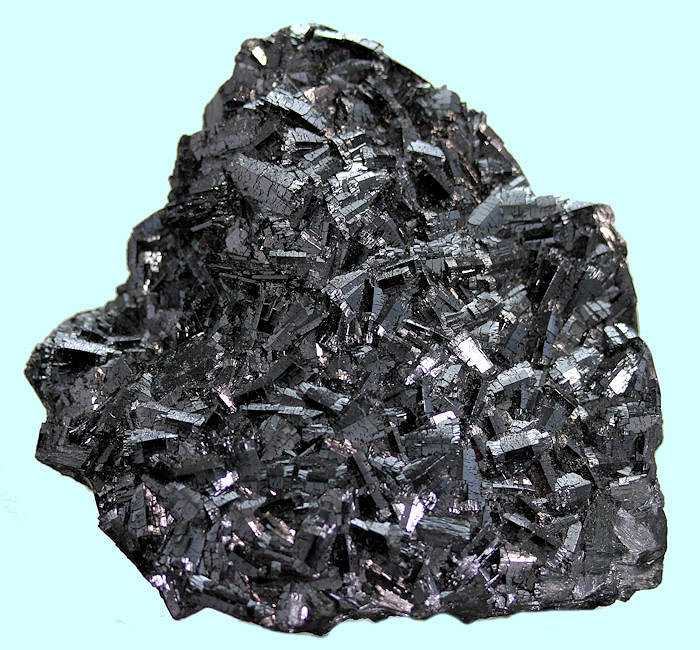
Large mass of jet black, lustrous Sphalerite crystals crowned with pearlescent, white Dolomite crystals.
Fluorite and Barite Crystals over Quartz Druse on Matrix
Quiruvilca Mine (La Libertad Mine; ASARCO Mine), Quiruvilca District,
Santiago de Chuco Province, La Libertad Department, Peru
15.5 x 12 x 7 cm
Ex-Jorge Diaz Asenjo Collection
$1,500
#E5176
#E5179
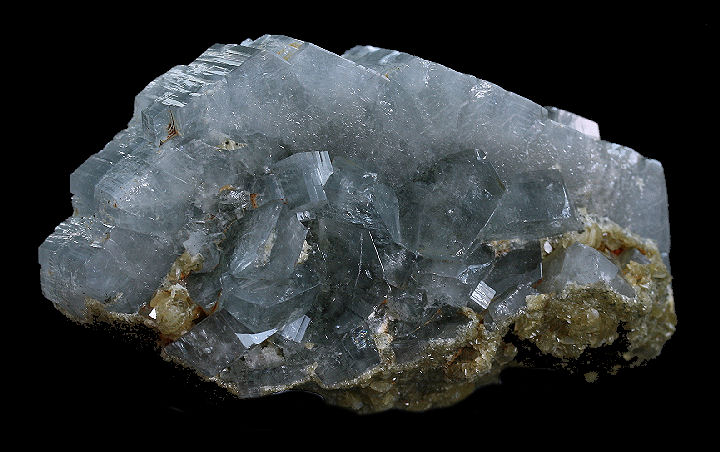
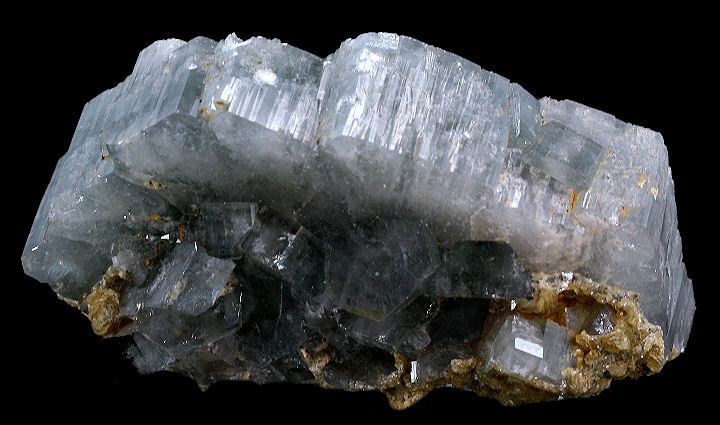
Gray-blue twinned Apatite crystals with sidecar crystals.
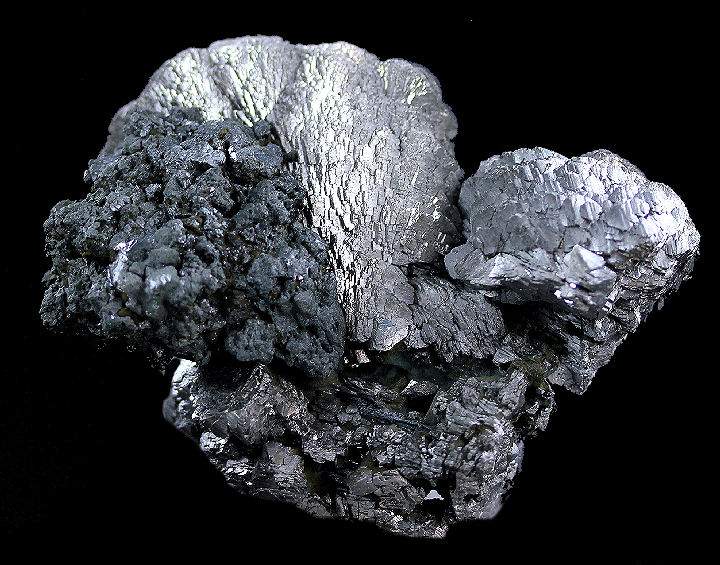
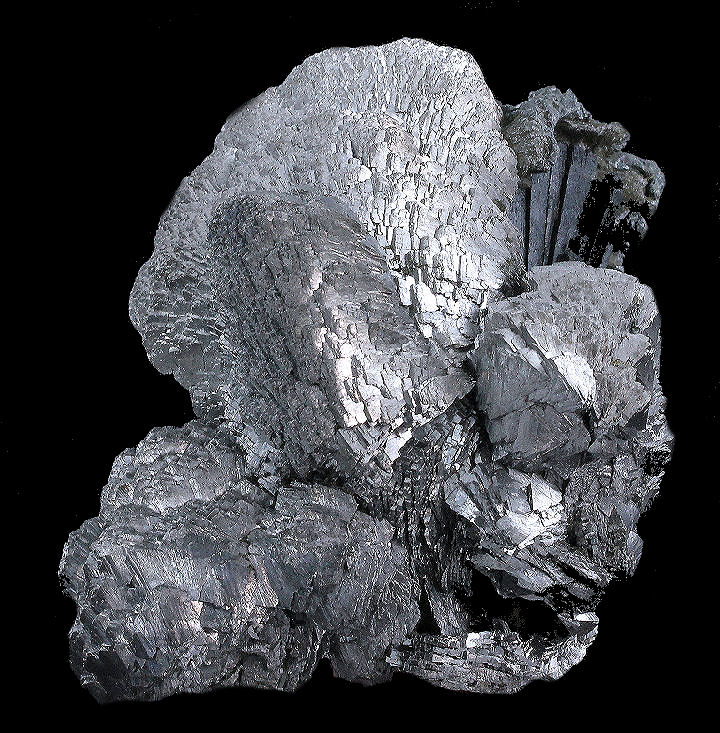
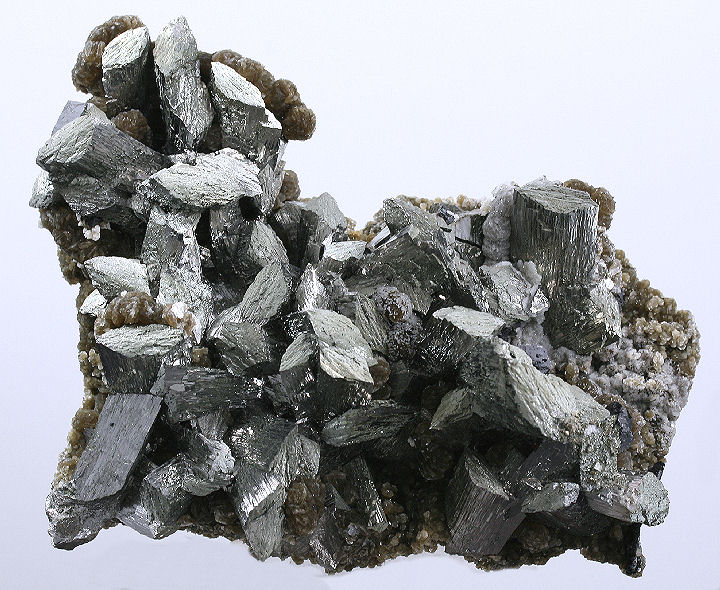
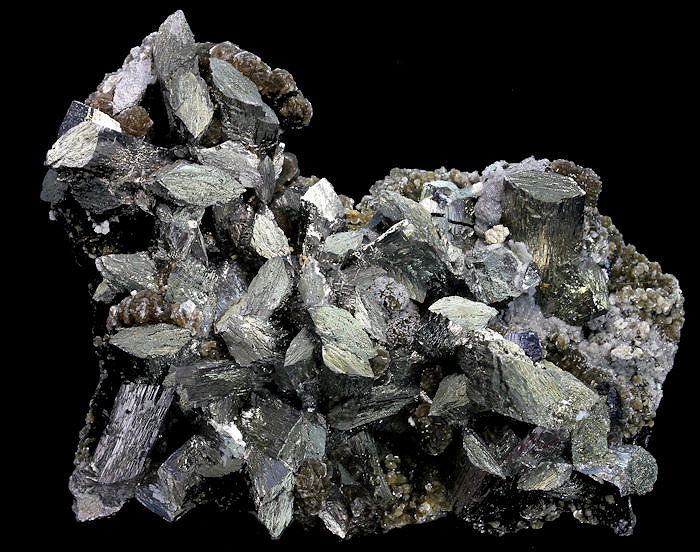
Superb complex cluster of well defined silvery Arsenopyrite prismatic crystals (to 2.75 x 1.75 cm) from the famous Panasqueira Mines. Even better in person !
Arsenopyrite Crystal Cluster with Sphalerite & Muscovite
Panasqueira Mines, Beira, Baixa, Portugal
13 x12 x 4 cm
$1,200
Apatite Crystal Cluster with Mica
Panasqueira Mines, Beira, Baixa, Portugal
7 x 4.5 x 2.5 cm
$800
SOLD
#E5187
#E5191
#E5193
#E5194
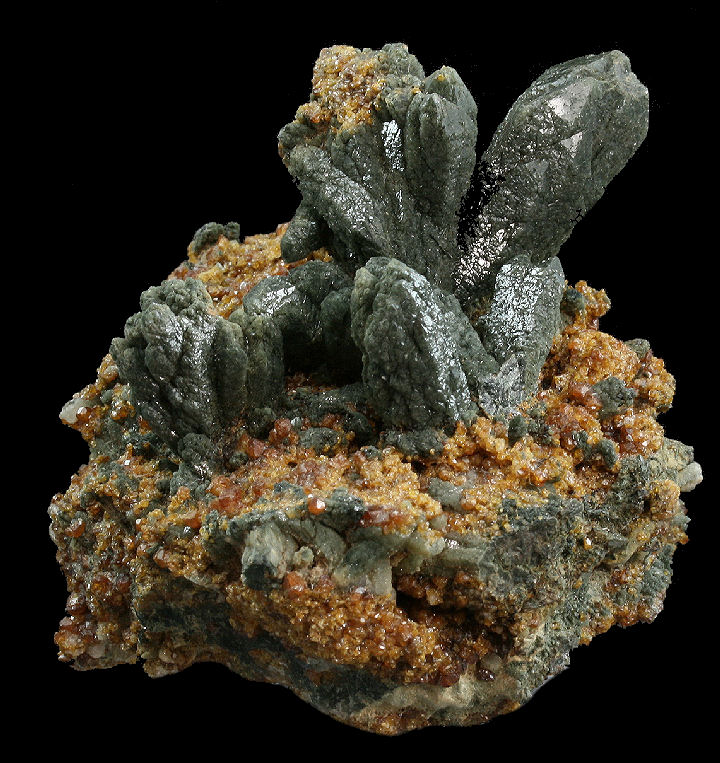
Fine cluster of green Quartz (with Actinolite Inclusions) on solid Andradite, which includes some well formed crystals, as well. In fine condition.
Excellent, well defined Manganite crystals on Manganite matrix.
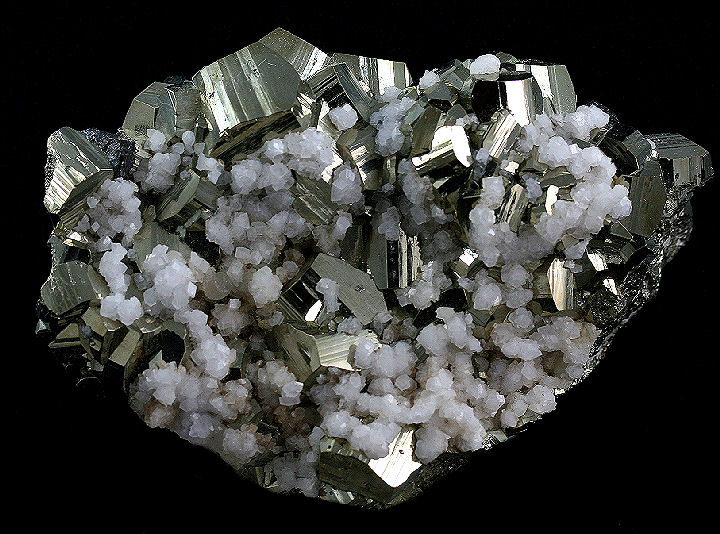
Nice plate of silvery Pyrite crystals adorned with Calcite crystals.
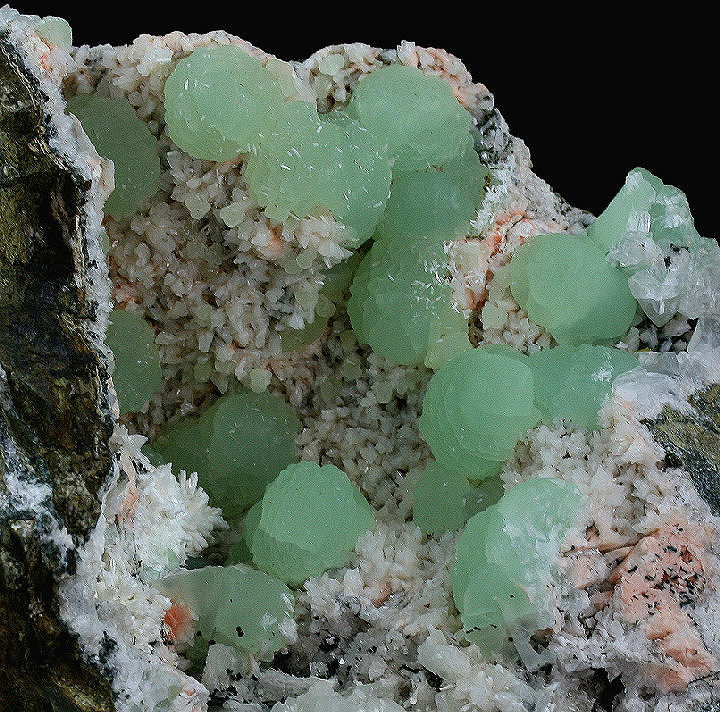
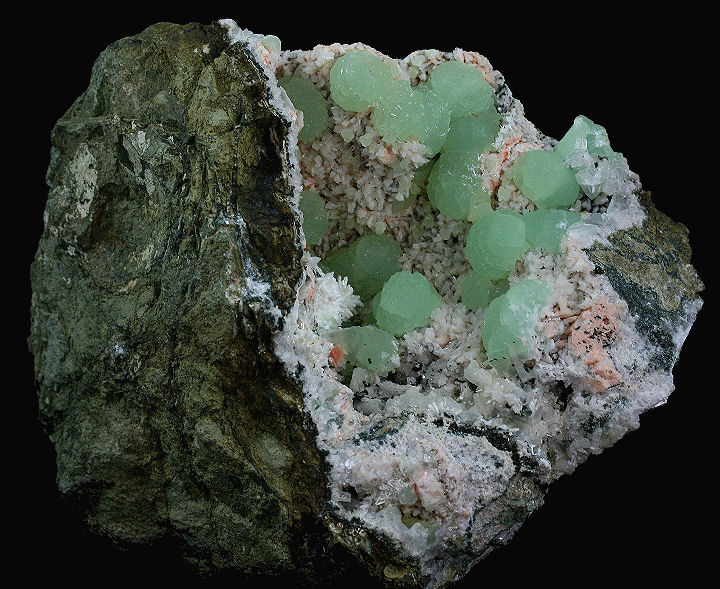
Wonderful example of the fine Prehnites that heve come from the famous, now closed, Prospect Park Quarries.
Green Quartz var. Prasem on Andradite Garnet
Dal'negorsk, Primorskiy Kray, Far-Eastern Region, Russia
6.5 x 6 x 5.5 cm
$380
Manganite Crystal Cluster
Antikokan, Northwest Ontario, Canada
7.5 x 7 x 1.5 cm
Ex-Charles Key Collection; Ex-Roy A. Smith Collection
$1,200
Pyrite Crystals with Calcite
Huanzala District, Dos de Mayo Province, Huanuco Department, Peru
9.5 x 6 x 3.5 cm
$100
SOLD
Prehnite Crystals with Albite & Laumontite
Prospect Park Quarries, Prospect Park, NJ, USA
14.5 x 13.5 x 7.5 cm
Ex- Fred Vlamynck Collection; Ex-Eric Stanchich Collection
$600
#E5127
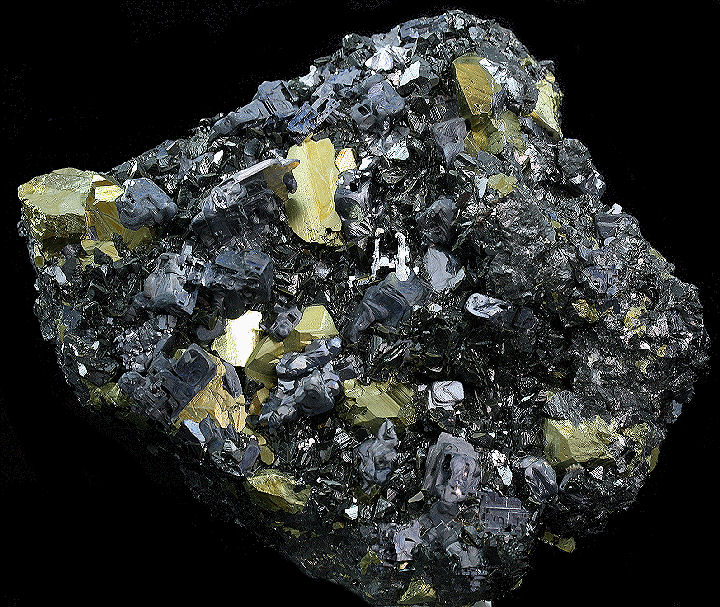
Very nice mix of Galena and golden Chalcopyrite with Sphalerite and minor Quartz representative of the fine combination specimens from the Bulgarian Mines.