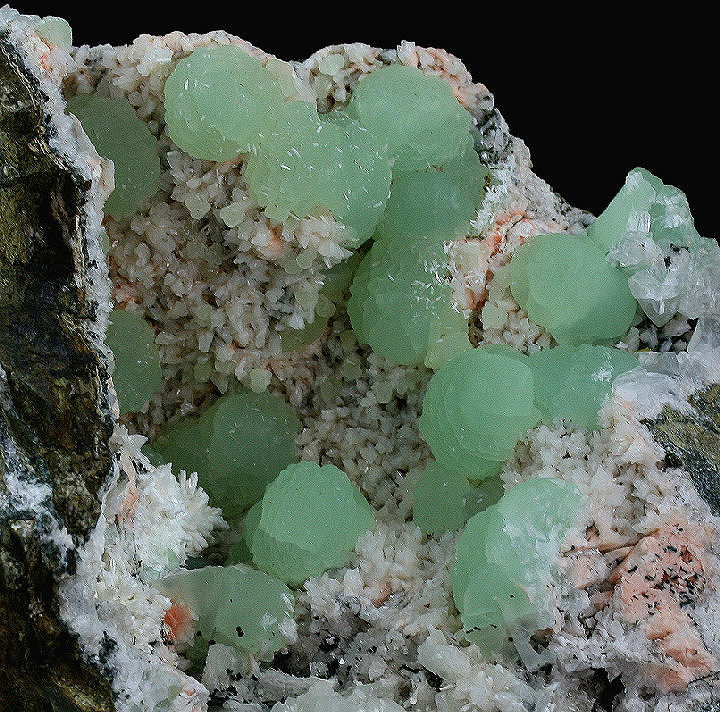
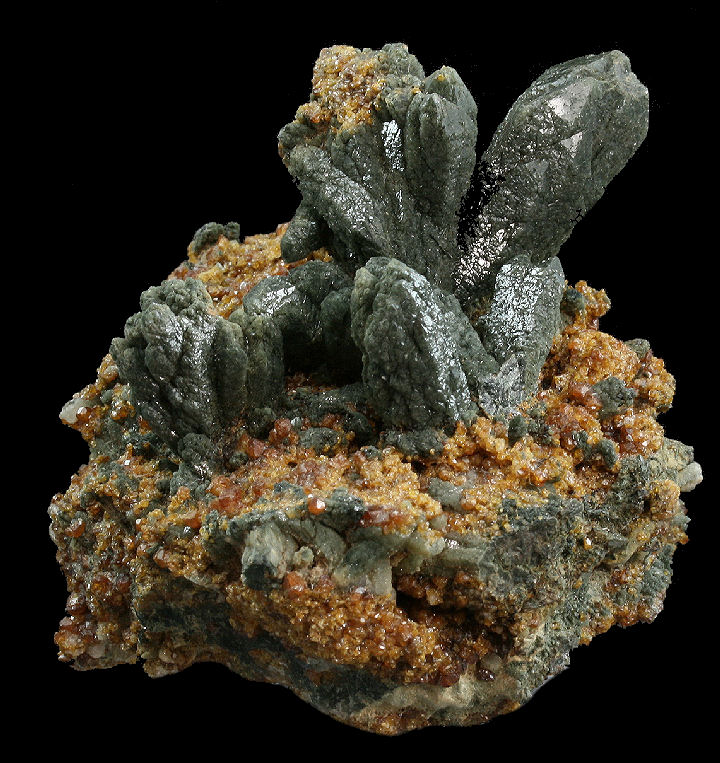
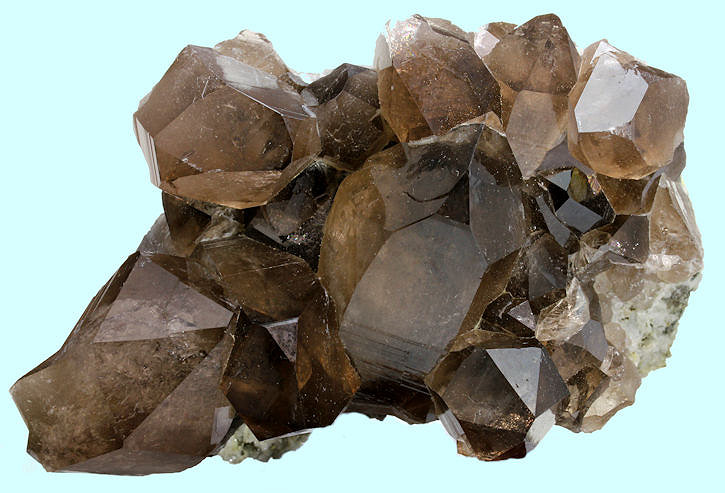
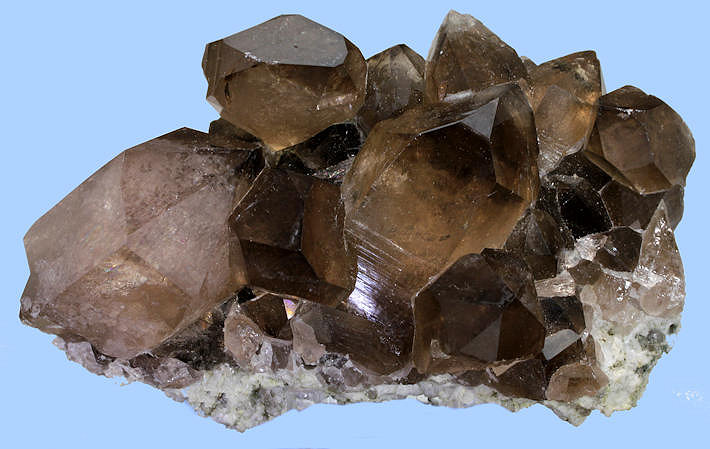
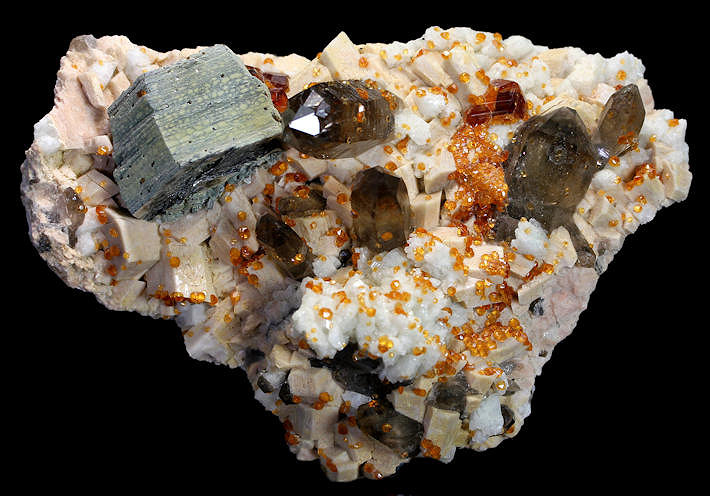
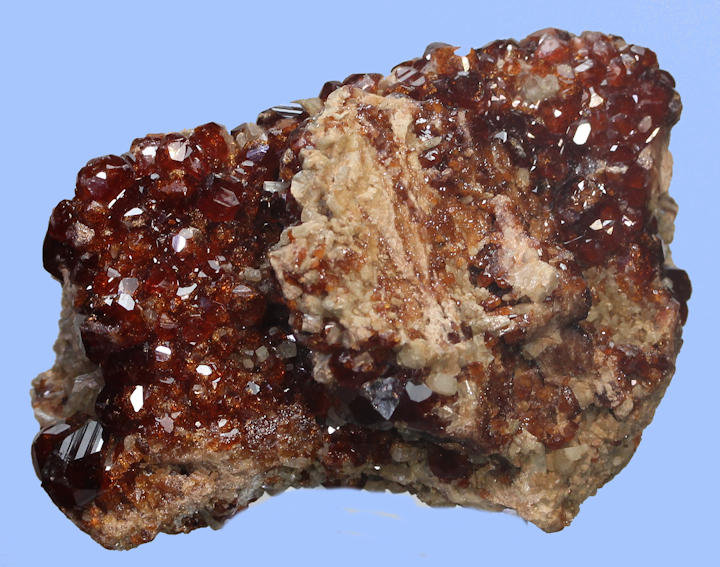
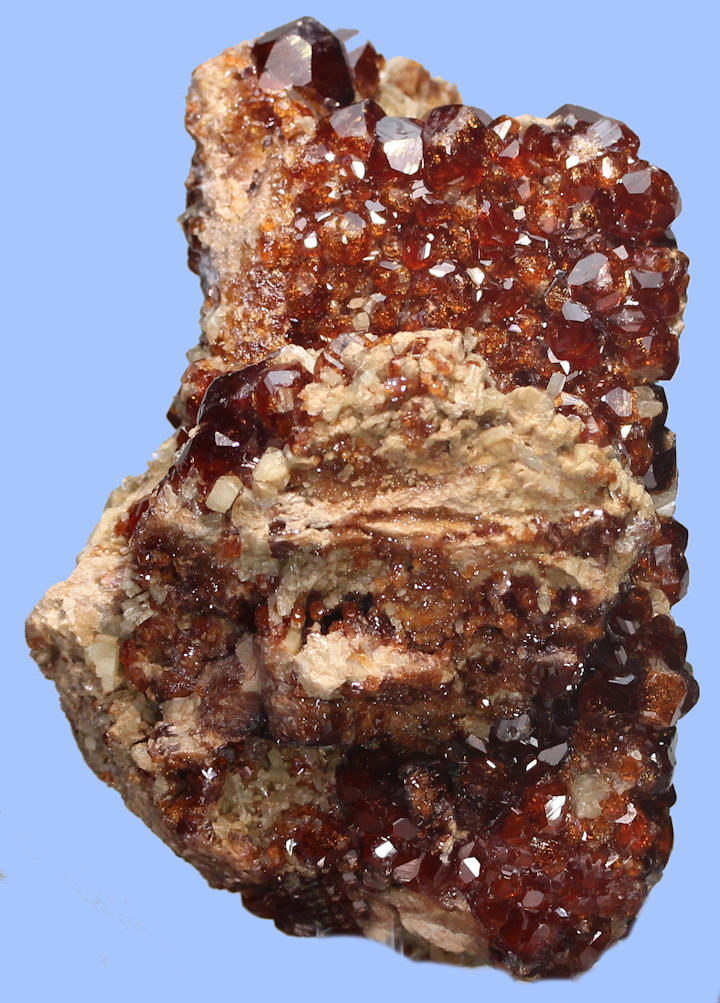
Spessartine Garnets with Smoky Quartz & Muscovite on Orthoclase
Tongbeo Area, Fujian Province, China
10.5 x 8 x 3 cm
$500
#E5145
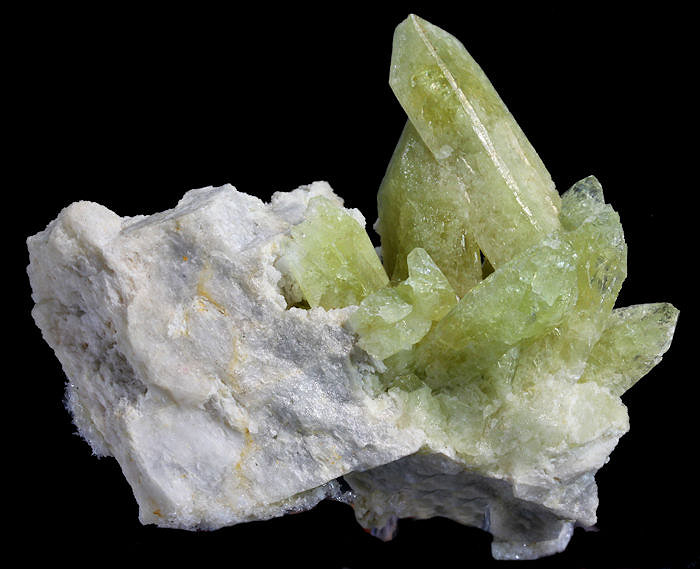
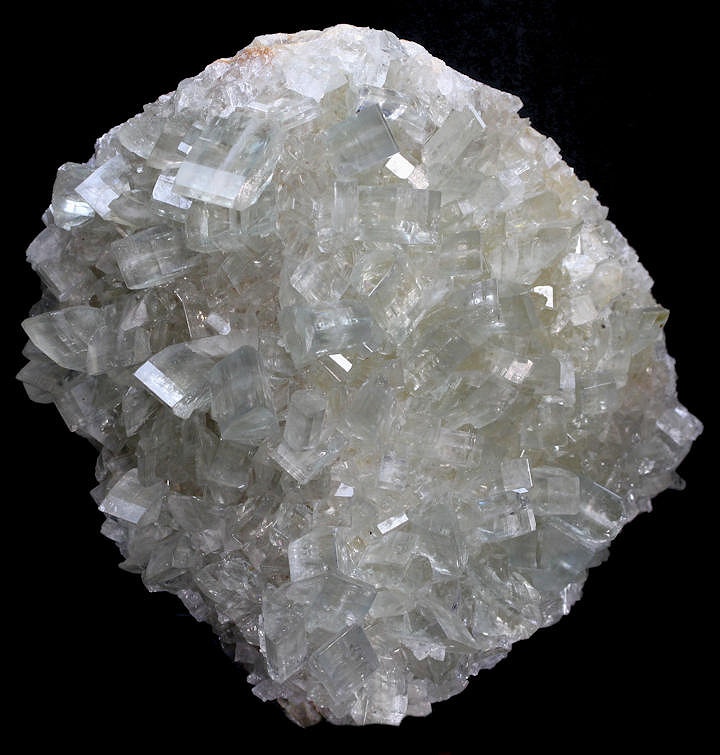
Beautiful plate of prismatic, well terminated Danburite crystals.
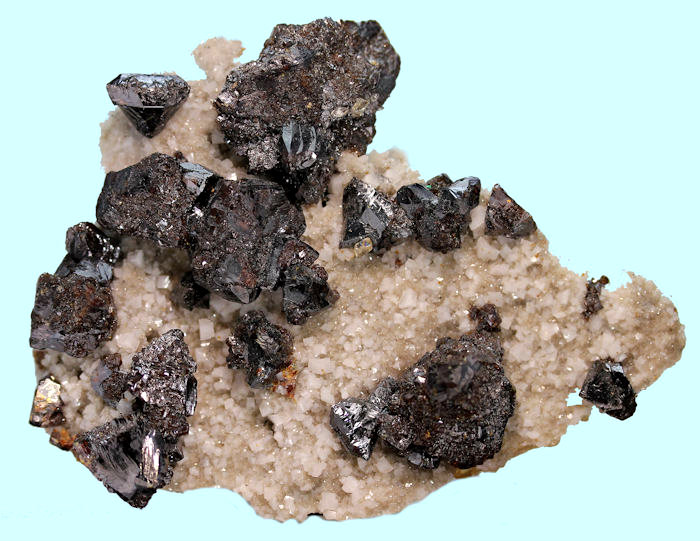
#E5153
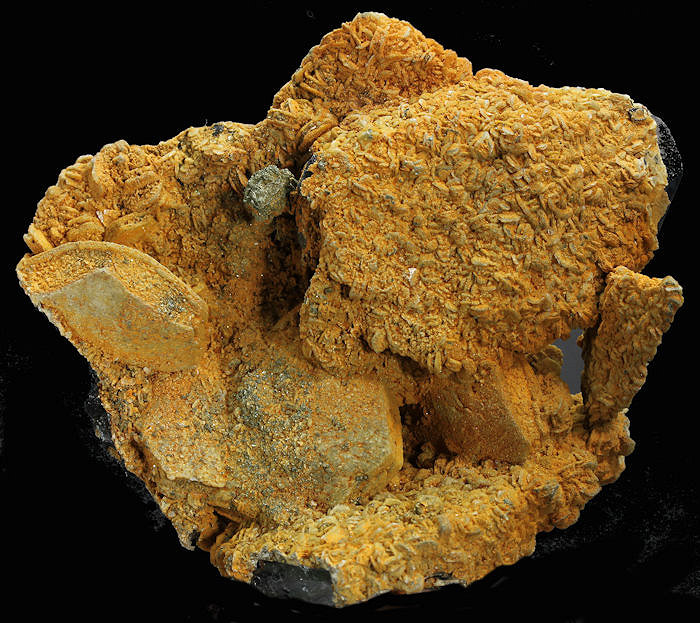
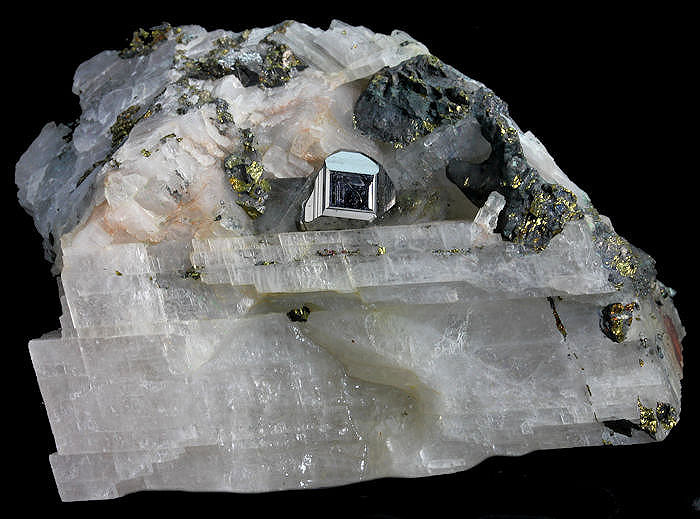
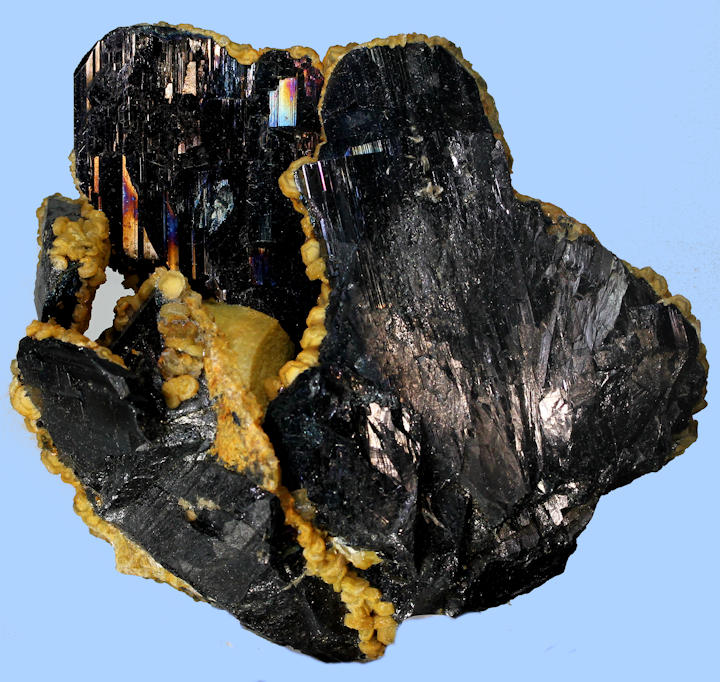
Super lustrous Ruby Jack Sphalerite crystals on nicely contrasting plate of Dolomite crystals from the famous Elmwood Mine.
Danburite Crystal Cluster
Mina Aurora, Charcas, San Luis Potosi, Mexico
16.5 x 9.5 x 7 cm
$500
Ruby Jack Sphalerite Crystals on Dolomite
Elmwood Mine, Carthage, Central Tennessee Ba-F-Pb-Zn District,
Smith County, Tennessee, USA
10.5 x 8 x 4 cm
$500
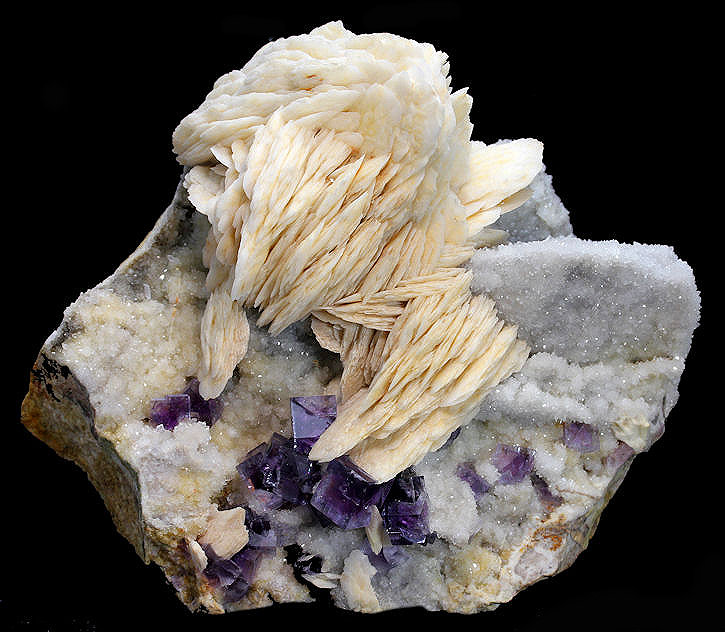
#E5160
Stunning specimen of purple Fluorite crystals (1 x 1 cm) and white Barite blades over glistening Quartz druse on matrix. Wonderful piece from the famous, defunct Berbes Mine.
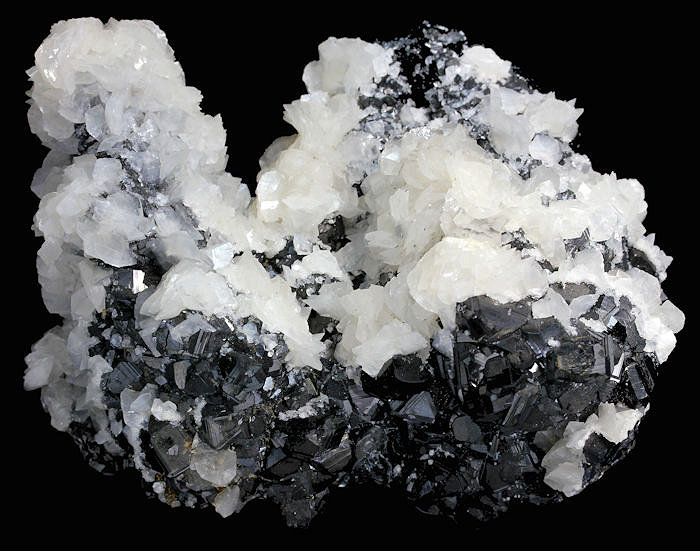
#E5163
Large mass of jet black, lustrous Sphalerite crystals crowned with pearlescent, white Dolomite crystals.
Fluorite and Barite Crystals over Quartz Druse on Matrix
Quiruvilca Mine (La Libertad Mine; ASARCO Mine), Quiruvilca District,
Santiago de Chuco Province, La Libertad Department, Peru
15.5 x 12 x 7 cm
Ex-Jorge Diaz Asenjo Collection
$1,500
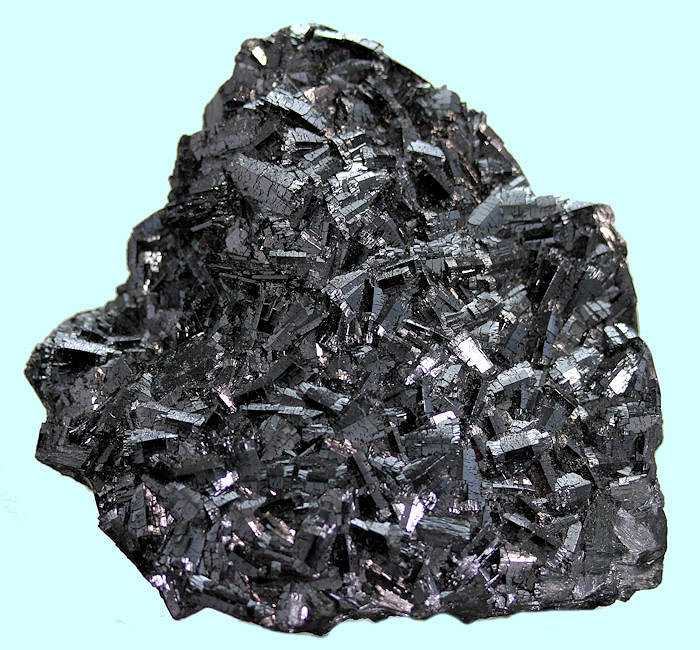
#E5176
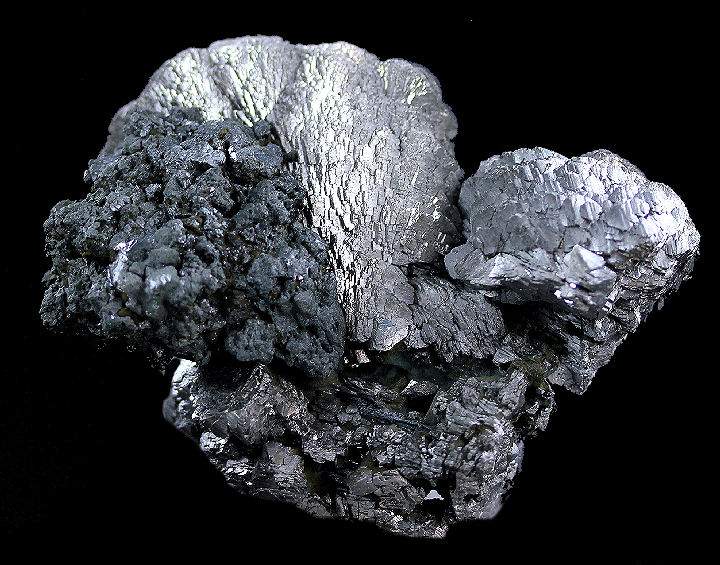
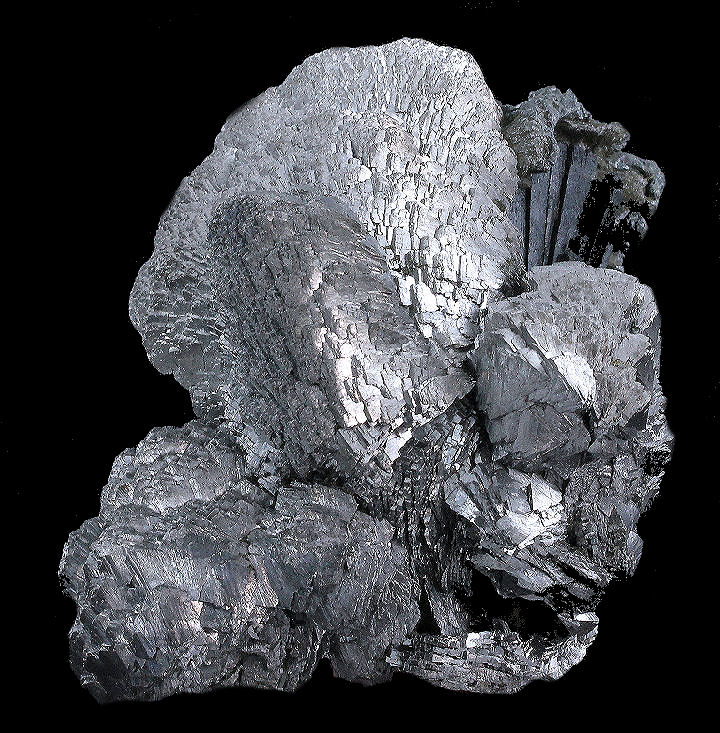
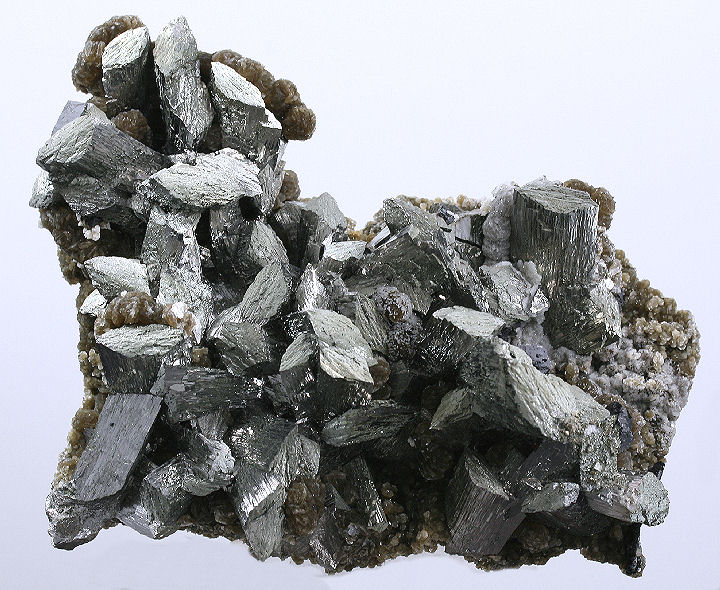
Superb complex cluster of well defined silvery Arsenopyrite prismatic crystals (to 2.75 x 1.75 cm) from the famous Panasqueira Mines. Even better in person !
Arsenopyrite Crystal Cluster with Sphalerite & Muscovite
Panasqueira Mines, Beira, Baixa, Portugal
13 x12 x 4 cm
$1,200
#E5187
#E5191
#E5194
Fine cluster of green Quartz (with Actinolite Inclusions) on solid Andradite, which includes some well formed crystals, as well.
In fine condition.
Excellent, well defined Manganite crystals on Manganite matrix.
Difficult to photograph and better in person.
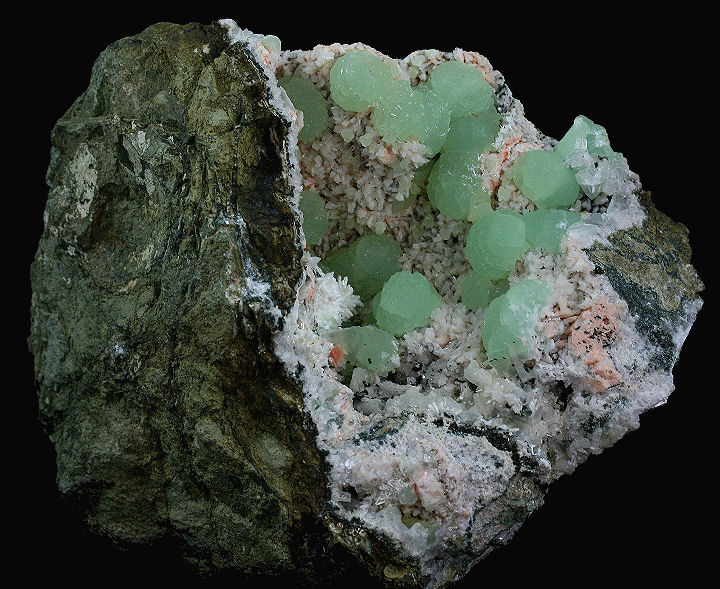
Wonderful example of the fine Prehnites that heve come from the famous, now closed, Prospect Park Quarries.
Green Quartz var. Prasem on Andradite Garnet
Dal'negorsk, Primorskiy Kray, Far-Eastern Region, Russia
6.5 x 6 x 5.5 cm
$400
Manganite Crystal Cluster
Antikokan, Northwest Ontario, Canada
7.5 x 7 x 1.5 cm
Ex-Charles Key Collection; Ex-Roy A. Smith Collection
$1,200
SOLD
Prehnite Crystals with Albite & Laumontite
Prospect Park Quarries, Prospect Park, NJ, USA
14.5 x 13.5 x 7.5 cm
Ex- Fred Vlamynck Collection; Ex-Eric Stanchich Collection
$600
SOLD
#E5228
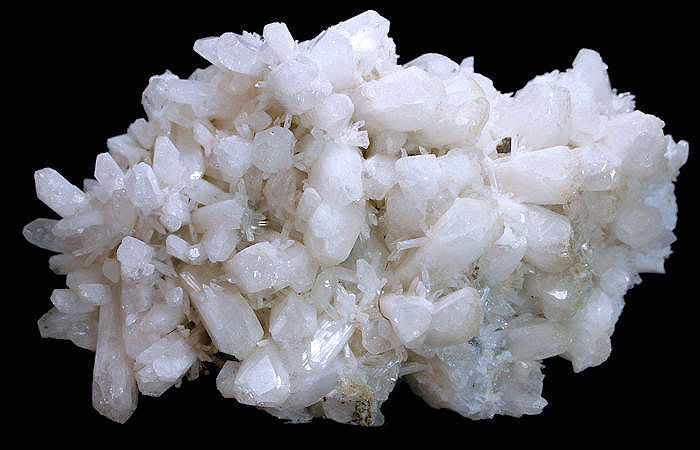
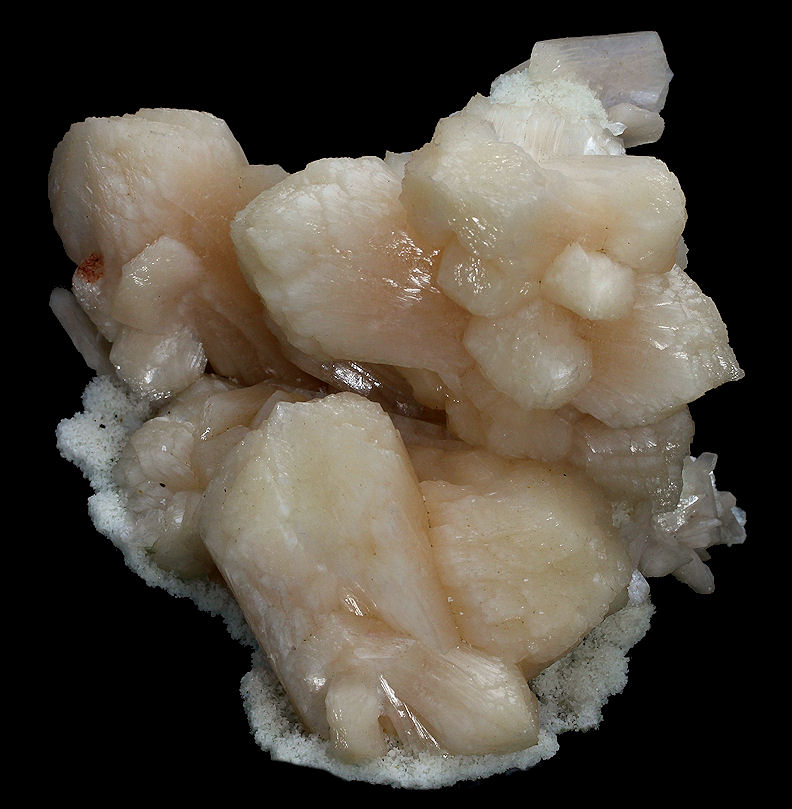
Stilbite Crystal Cluster on Chalcedony
Jalgaon, Maharashtra, India
15 x 12 x 11 cm
$350
Lustrous, cream colored Stilbite crystals on a Chalcedony matrix. Very pretty and pristine.
Back Side
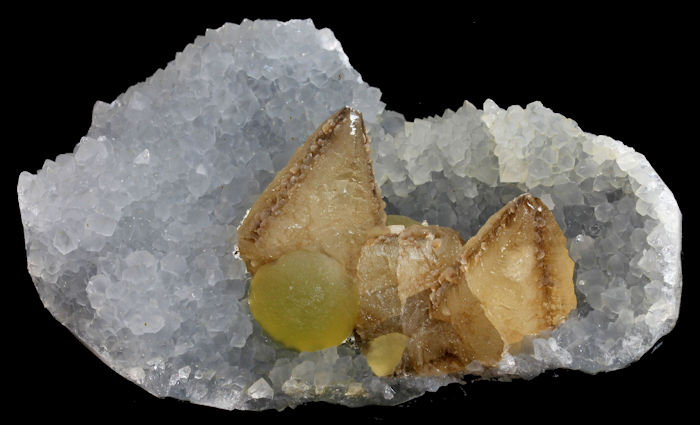
Calcite & Fluorite on Quartz
Nashik District (Nasik District), Maharashtra, India
11.5 x 8 x 5 cm
$950
SOLD
Very aesthetic combination of golden Calcite crystals with botryoidal yellow Fluorite crystals on a Quartz matrix.
In very good condition.
#E5230
#E5205
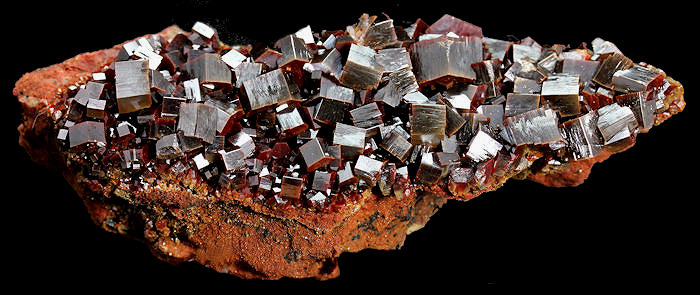
Vanadinite Crystal Cluster
Mibladen, Midelt, Meknes-Tafilalet, Morocco
12 x 4.5 x 3.5 cm
$300
Excellent specimen from a new find of black-cherry red (unusual color), lustrous, hexagonal Vanadinite crystals. In fine condition.
#E5207
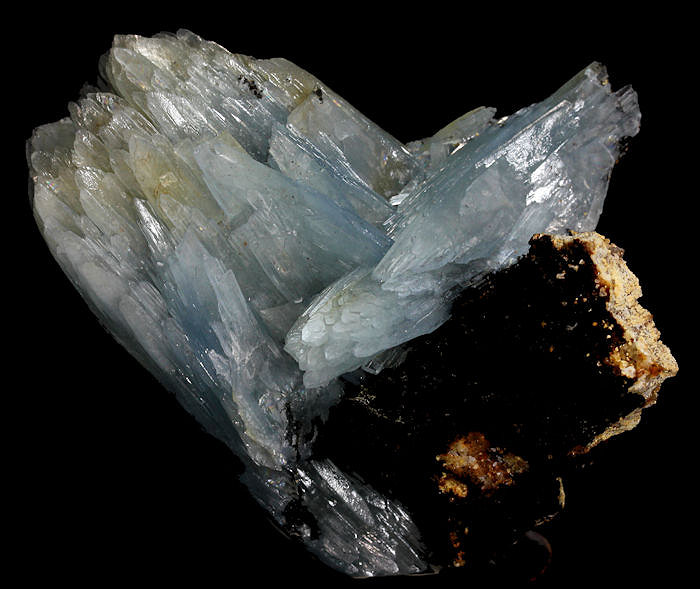
Barite Crystal Cluster
Jinkouhe District, Leshan Prefecture, Sichuan Province, China
14 x 14 x 6 cm
$500
SOLD
A super cluster of transparent to highly translucent, glassy Barite crystals with sharp, chisel shaped terminations. Pretty uncommon and stunning.
In fine condition.
#E5211
#E5212
#E5213
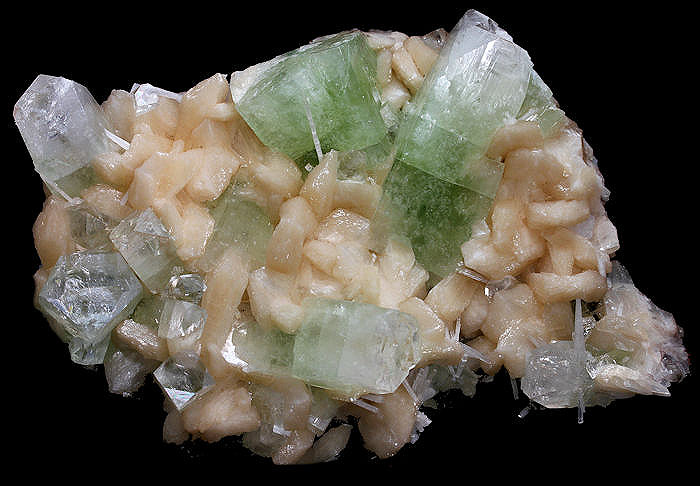
Fluorapophyllite Crystals with Stilbite
Jalgaon, Maharashtra, India
21 x 16 x 4 cm
$600
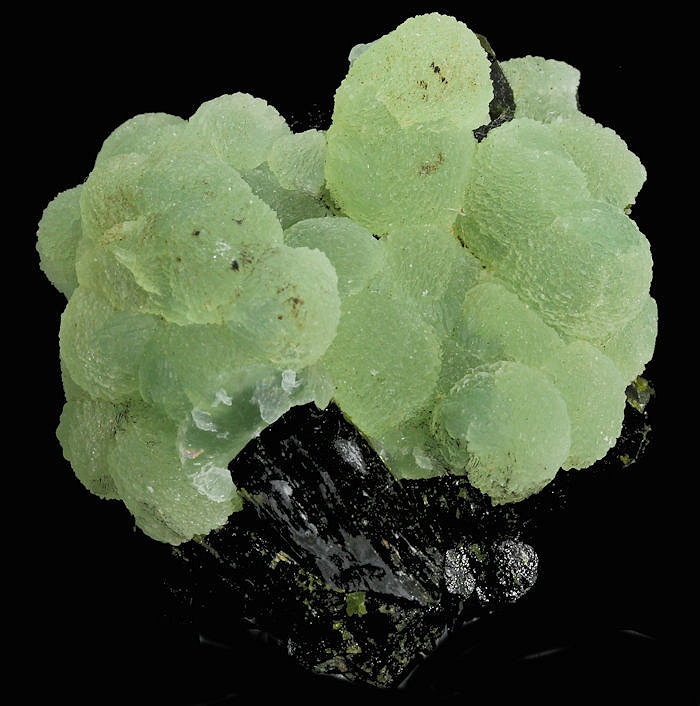
Prehnite Crystals with Epidote
Djouga, Bendoukou, Kayes Region, Mali, Africa
5.5 x 5 x 1.5 cm
$100
Brazilianite Crystals on Feldspar
Mendes Pimental, Minas Gerais, Brazil
6.2 x 5.2 x 3.2 cm
$700
A stunning large specimen of greenish Fluorapophyllite crystals with cream colored Stilbite. In very good condition.
Pretty balls of light green Prehnite crystals on Epidote.
In good condition.
A difficult to find specimen of Brazilianite from the Mendes Pimentel locality in Brazil, which is better known for Eosphorite specimens. The elongated crystals with chisel terminations are distinctive to this location. The sharp, well formed, yellow-green crystals are translucent with fairly good luster and, are positioned aesthetically on a grey Feldspar matrix, which is rare for Brazilianite worldwide. Crystals measure to 3.3 cm. In fine condition.
Carrollite Crystal with Bornite & Chalcopyrite on Calcite
Kamoya South II Mine, Kambove District, Katanga, Congo D.R., Africa
7.5 x 5 x 4 cm
Ex-Francesco Bedogne Collection
$650
This specimen features excellent, sharp, very lustrous, gemmy, rich orange-red colored trapezohedral crystals of Hessonite measuring to 9 mm associated with soft green, prismatic Diopside crystals on matrix. There are a lot of "Alpine " - type minerals found in Pakistan, which look similar to their European counterparts, but this one is near identical. In fine condition.
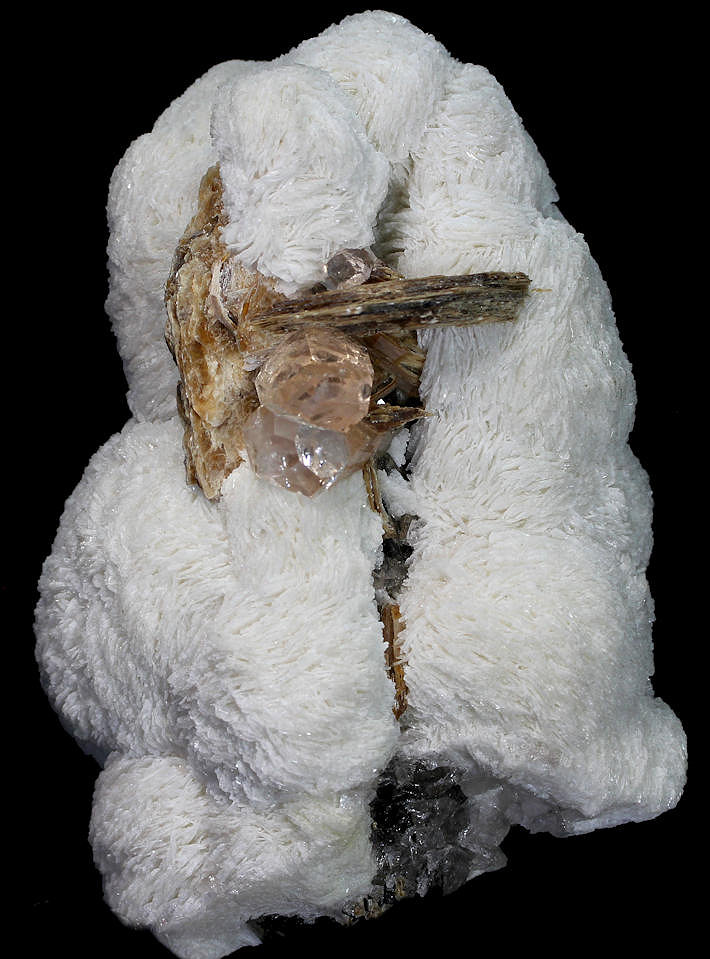
Two super gemmy Topaz crystals, measuring up to 2x1 cm are nestled with Muscovite on a large matrix of snow white Cleavelandite. The specimen is probably from Dassu, Braldu Valley, Skardu District in Baltistan.Very aesthetic and in very good condition.
A striking, sharp, lustrous silver metallic 1 cm Carrollite crystal with striated faces is aesthetically positioned on a vuggy Calcite matrix. Nearby is a rounded matte-gray Bornite with additional accents of brassy Chalcopyrite. The sharp form of the pristine crystal is remarkable and the superb luster is characteristic of this rare Cu-Co-Ni sulfosalt. Matrix Carrollites are far less common and the qualty of this one is excellent.
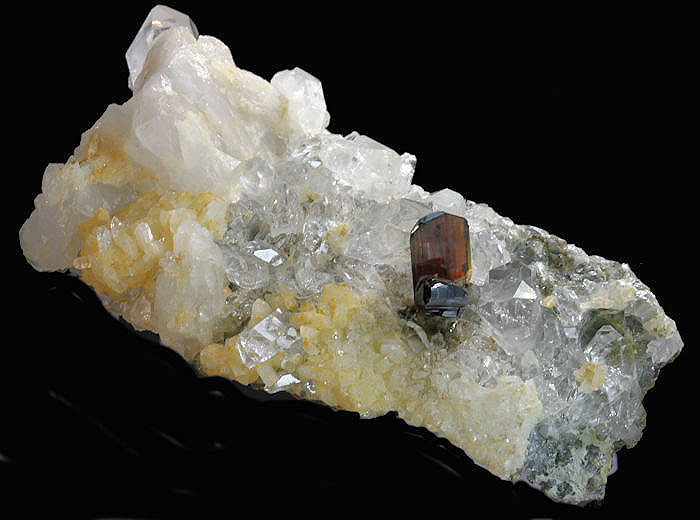
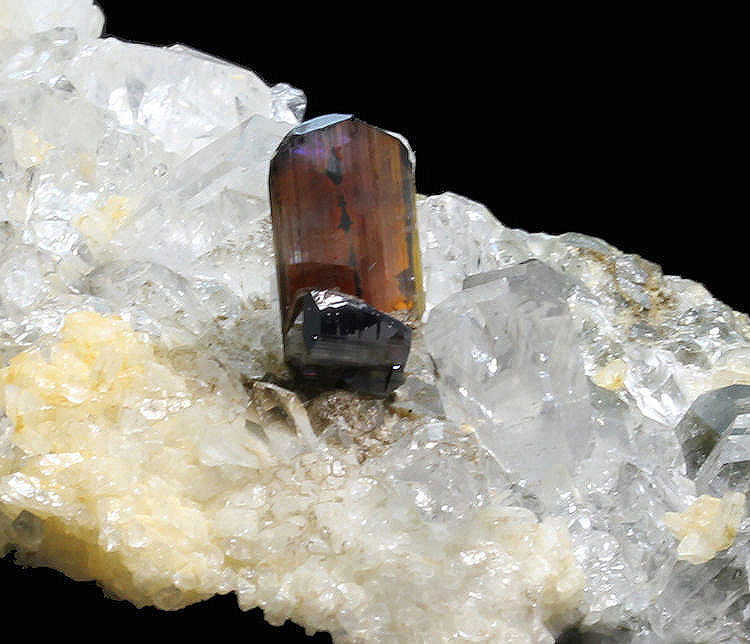
#E5222
Brookite Crystal with Quartz & Albite
Kharan, Baluchistan, Pakistan
7.2 x 4.3 x 2.8 cm
Ex-Francesco Bedogne Collection
$600
This specimen hosts a fine quality, good sized, sharp, lustrous, dark orange colored, thin, tabular Brookite crystal measuring 1.1 cm aesthetical perched on a matrix with Quartz and Albite. At the base of the Brookite it appears that there is an Anatase crystal, which is very rare for the locality. In pristine condition.
#E5210
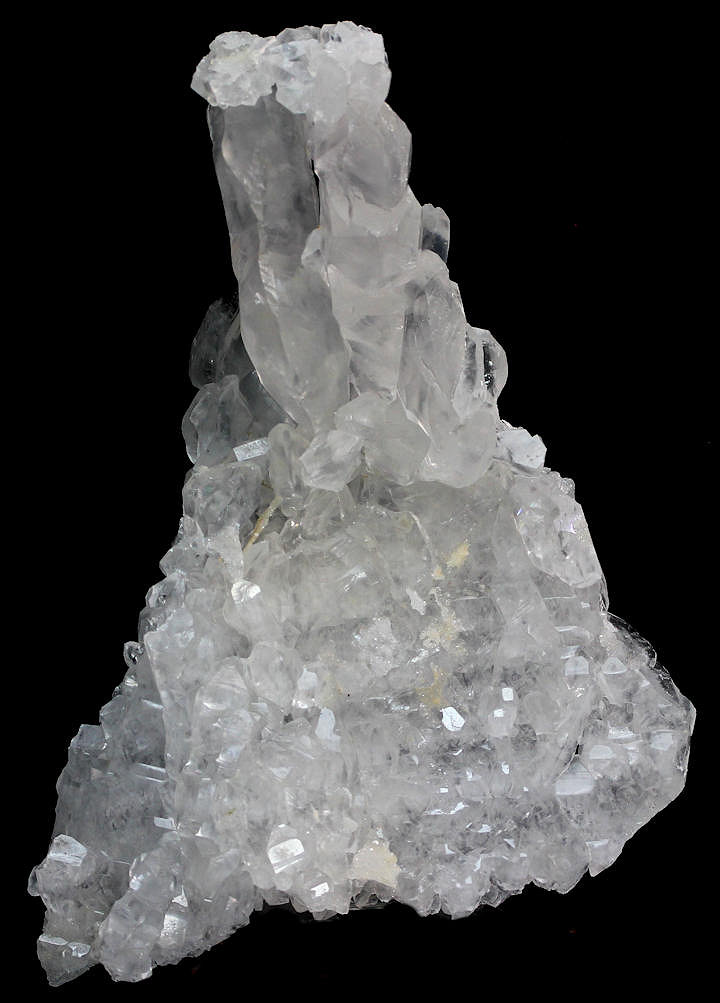
Calcite Crystal Cluster
Wenshan Mine, Wenshan County, Wenshan Autonomous Prefecture, Yunnan Province, China
14.5 x 10.5 x 3.5 cm
$250
A nice, large cluster of highly translucent to clear glassy Calcite crystals.
#E5218
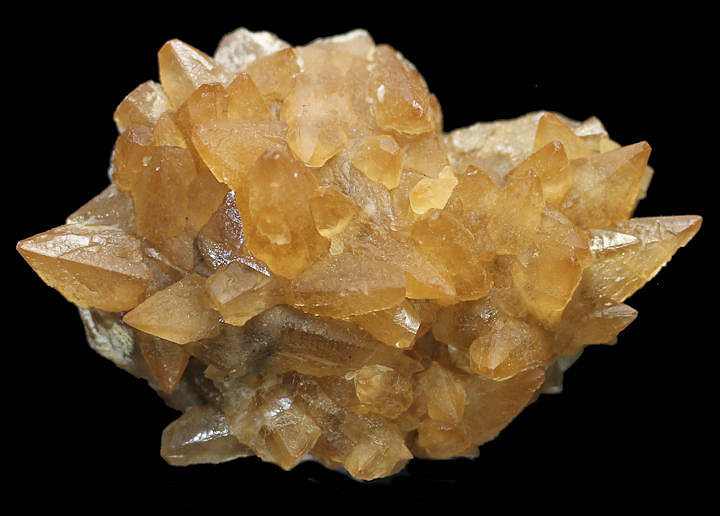
Calcite Crystal Cluster
Minerva Mine #1, Hardin County, Illinois, USA
9 x 6 x 3 cm
$250
Very pretty cluster of lustrous golden crystals of Calcite. In very good condition.
#E5184
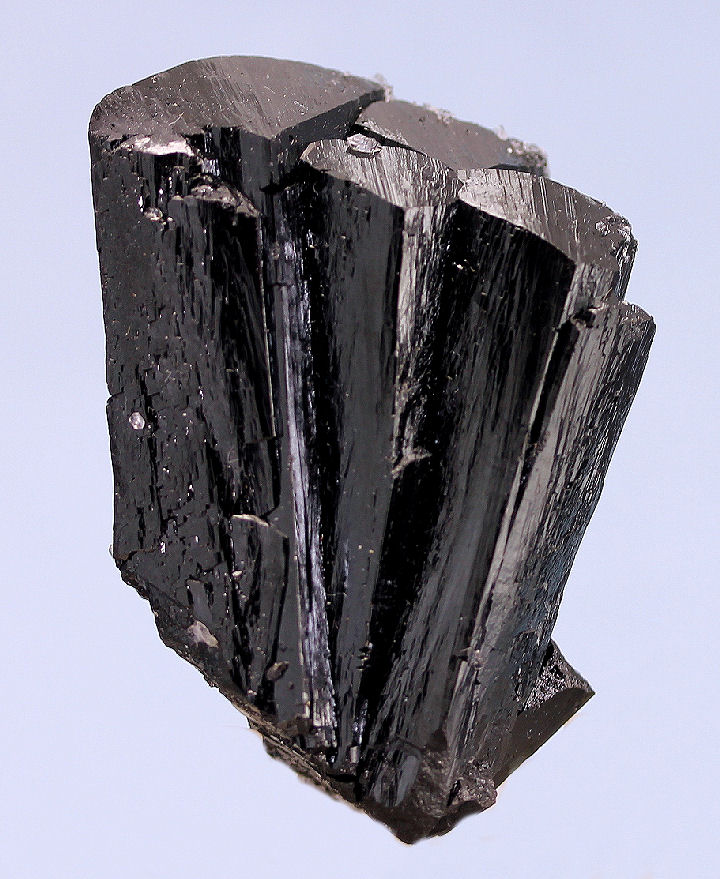
Fine specimen of jet black, lustrous Ilvaite crystals with
minor Quartz.
Ilvaite with Quartz
1st. Sovietskiy Mine, Dalnegorsk, Promorskiy Kray, Russia
5.5 x 4 x 2.5 cm
Ex-Bob Holzer Collection
$400
#E5110
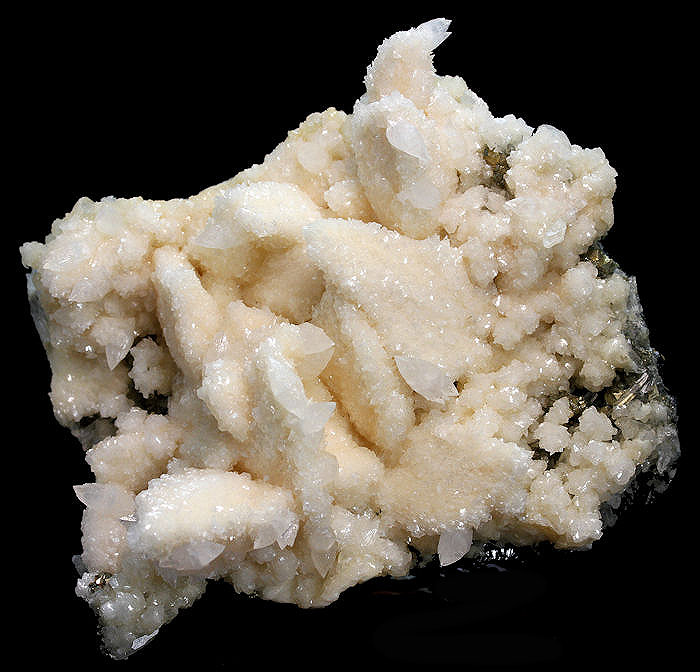
Aesthetic specimen of creamy white Calcite and translucent Quartz crystals with minor golden Pyrite and Sphalerite.